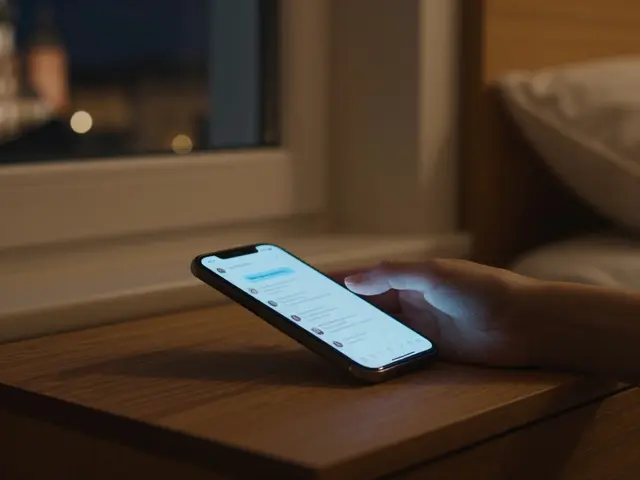
You’ve heard the phrase before: "She lives the night life." Maybe you’ve seen it on a movie poster, a song lyric, or scrolling past someone’s Instagram story at 2 a.m. But what does it really mean to live the night life? It’s not just about going out. It’s not just about drinking or dancing. It’s something deeper-and messier, and more human-than most people admit.
Here’s the truth: living the night life isn’t a lifestyle choice. It’s a rhythm.
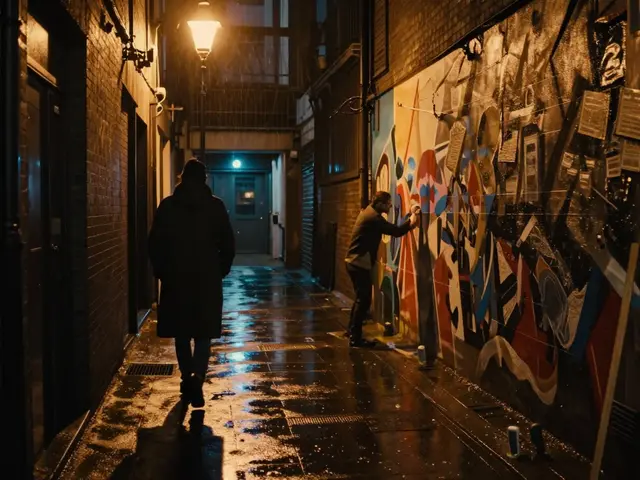
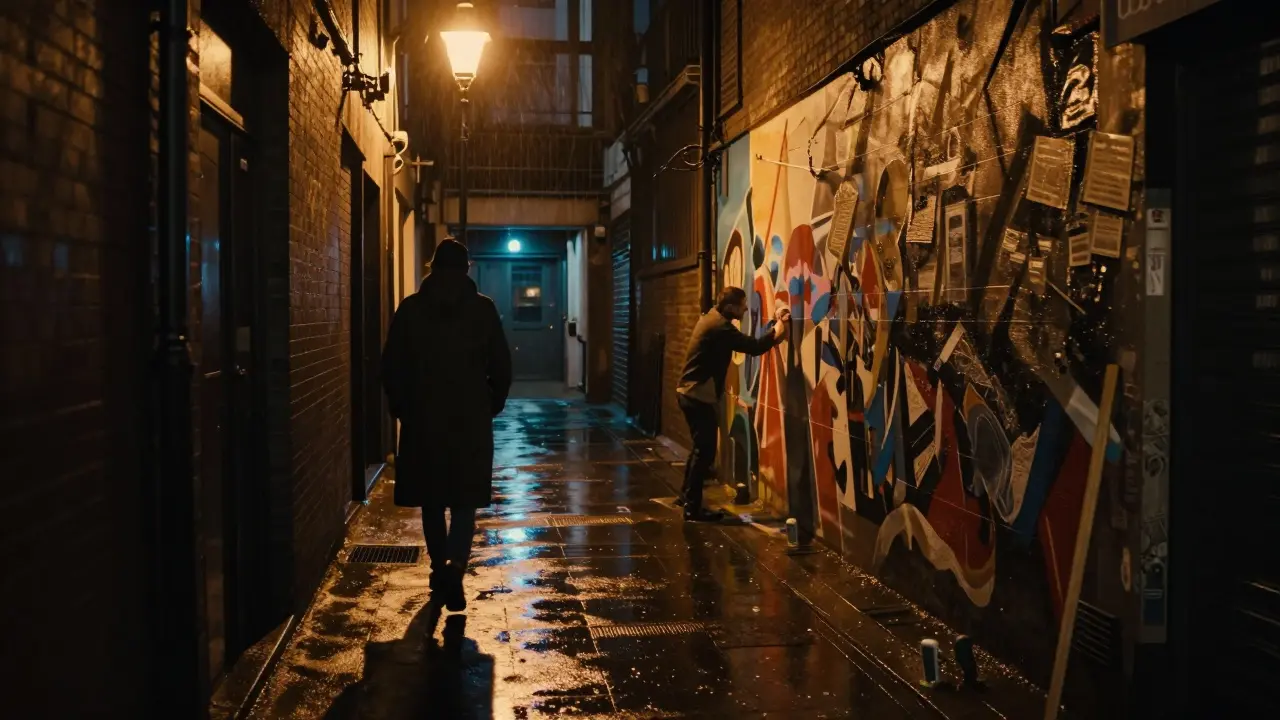
Think of it like a second heartbeat. While the rest of the world sleeps, you’re awake. Not because you can’t sleep, but because the night feels more alive than the day. The city changes. The air smells different. The lights don’t just glow-they pulse. Bars hum with low conversations. Music doesn’t just play, it vibrates in your chest. You start noticing things you never saw before: the way a street artist paints over graffiti at 3 a.m., the quiet laughter between strangers who just met at a rooftop bar, the smell of wet pavement after a midnight rain.
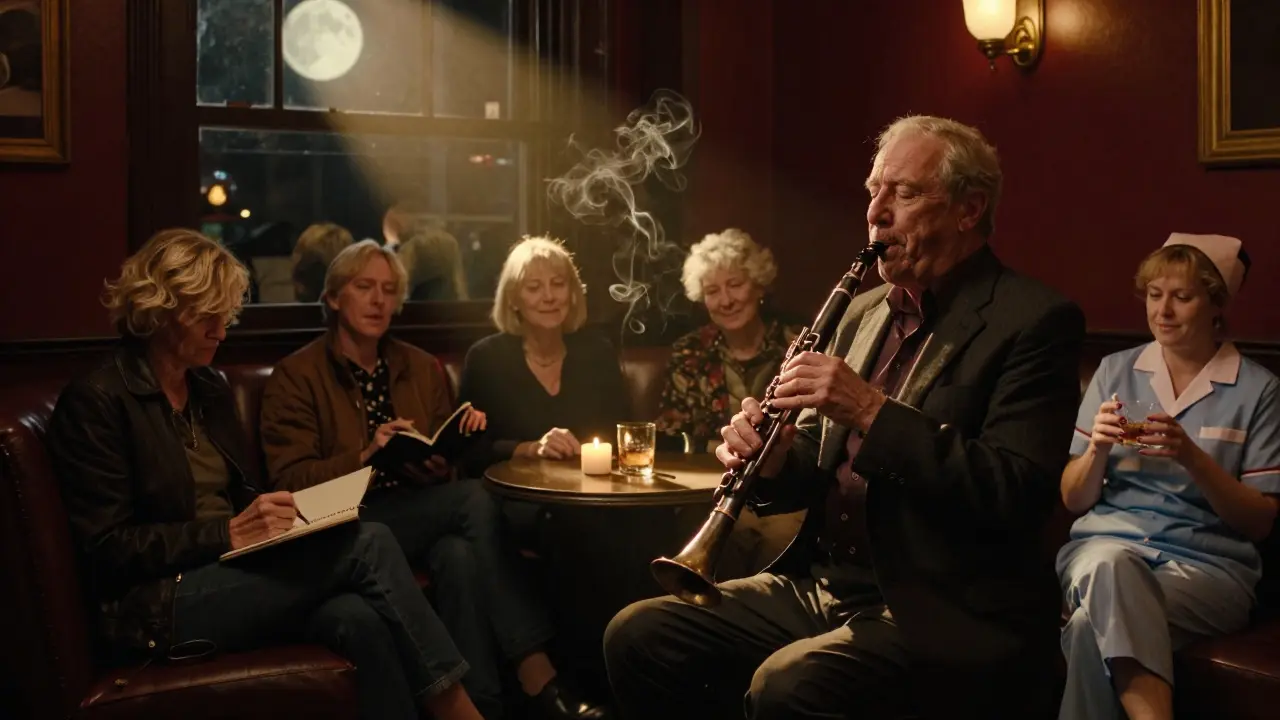
This isn’t about being young. It’s not even about being rich. I’ve met a 68-year-old jazz clarinetist who plays every Thursday at a basement club in Peckham. I’ve talked to a nurse who works the night shift and spends her days off at underground raves in Hackney. I’ve sat across from a single dad who picks up his kid at 6 a.m. after closing a 24-hour kebab shop he runs with his brother. They all live the night life-not because they’re chasing thrills, but because the night gives them something the day never could: space, freedom, connection.
What does it mean to live the night life? Here’s the breakdown.
- You don’t just go out-you belong somewhere after dark.
- Your schedule doesn’t follow the sun. It follows the beat.
- You know the bouncer by name. The bartender remembers your order. The guy who sells coffee at 4 a.m. asks how your week went.
- You’ve had conversations at 3 a.m. that changed your perspective on life.
- You’ve walked home alone and not felt afraid-because the city felt like it was walking with you.
It’s not glamorous. It’s not always fun. Sometimes, you wake up with a headache, a missed bus, and regret. But you keep coming back. Why? Because the night life doesn’t ask you to be anyone but yourself. No filters. No performance. Just presence.
It’s not one thing-it’s many things
Living the night life looks different for everyone. In London, you’ll find it in five distinct forms:
- The Jazz and Whiskey Crowd - Think hidden speakeasies in Soho, where the music is live, the drinks are slow-sipped, and the conversation is deep. You’ll find poets, ex-musicians, and retirees who refuse to retire.
- The Underground Clubbers - Basements in Peckham, warehouses in Stratford, secret doors behind laundromats. This isn’t about fame. It’s about sound. Bass so thick it rattles your ribs. Lights that don’t flash-they pulse. People who dance like no one’s watching-even though everyone is.
- The 24-Hour Grinders - The bakers, the cleaners, the security guards, the late-night drivers. They don’t party. They sustain. They’re the ones who keep the lights on so others can play.
- The Midnight Explorers - People who walk. Just walk. Through Camden at 1 a.m., along the Thames after midnight, past the empty market stalls in Borough. They’re not running from anything. They’re running toward something: quiet, clarity, solitude.
- The Social Chameleons - The ones who switch between worlds. One night, they’re at a classical recital in St. James’s. The next, they’re in a rave with LED body paint. They don’t choose one scene-they collect them.
There’s no single way to live it. But if you’re doing any of these-even just once a month-you’re already part of it.
How do you start? You don’t "start." You stumble into it.
You don’t wake up one day and say, "I’m going to live the night life." It sneaks up on you. Maybe it’s the time you stayed up to help a friend through a breakup and ended up watching the sunrise over Tower Bridge. Maybe it’s the night you took the last bus home and got off three stops early just to walk through an empty Trafalgar Square. Maybe it’s the stranger who bought you a coffee at 4 a.m. and asked you, "What are you running from?"
That’s how it begins. Not with a plan. With a moment.
Here’s how to find your version of it in London:
- Walk into a bar you’ve never seen before-no Google search, no reviews. Just go. Ask the bartender: "Who plays here on a Tuesday?"
- Follow the music. Not the loudest, but the one that pulls you in.
- Try a late-night food stall. Talk to the person behind the counter. They know everyone.
- Go to a 24-hour bookshop. Sit in the back. Read. Don’t buy anything. Just be there.
- Don’t look for "the scene." Look for the person who’s already there.
What to expect when you dive in
The first time you live the night life, you’ll feel like you’ve entered a parallel world. People talk differently. They laugh louder. They cry easier. They tell you things they’ve never told anyone else. You’ll hear stories about lost loves, sudden deaths, unexpected births, and dreams that got shelved.
You’ll see the city in a new light-literally. The way the streetlamp glows on wet glass. The way a taxi’s headlights cut through fog. The way a single flower on a windowsill looks like a rebellion.
And you’ll start to notice something strange: you’re not alone. Not really. The night life is a silent club. No membership card. No sign-up sheet. Just a shared understanding: we’re awake. We’re here. We’re not pretending.
Pricing? There isn’t any.
You don’t pay to live the night life. You pay for drinks, tickets, food. But the experience itself? Free. You don’t need a VIP table. You don’t need to be famous. You don’t need to dress a certain way. You just need to show up.
That said, here’s what you might spend:
- £8-£15 for a drink at a hidden bar
- £0-£10 for entry at an underground club (some don’t even charge)
- £3-£5 for a coffee or kebab at 4 a.m.
- £0 for a walk. Always.
And the most valuable thing? Time. You’re trading sleep for something rarer: presence.
Safety first
Living the night life doesn’t mean ignoring danger. It means knowing how to move through it.
- Always tell someone where you’re going-even if it’s "just a quick coffee."
- Keep your phone charged. Use the London Night Bus map app. Know your routes.
- Don’t feel pressured to stay. You owe no one your night.
- Trust your gut. If a place feels off, leave. No explanation needed.
- Carry a small flashlight. Not for danger-for seeing the beauty in the dark.
Most nights are safe. Most people are kind. But the night life doesn’t care if you’re careful. It only cares if you’re real.

Nightlife vs. Party Scene: What’s the difference?
| Aspect | Living the Night Life | Just Partying |
|---|---|---|
| Goal | Connection, presence, meaning | Fun, escape, distraction |
| Timing | Any time after sunset-no set hours | Usually 10 p.m. to 2 a.m. |
| Environment | Quiet bars, alleys, 24-hour spots, hidden clubs | Loud clubs, bottle service, VIP areas |
| People | Regulars, locals, artists, workers | Visitors, tourists, trend-followers |
| Aftermath | Feeling changed, thoughtful, grounded | Feeling tired, hungover, empty |
The difference? One leaves you awake. The other leaves you asleep.
Frequently Asked Questions
Is living the night life only for young people?
No. The night life isn’t about age-it’s about attention. I’ve met 70-year-olds who know every jazz club in London. I’ve met 19-year-olds who’ve never been out past midnight. It’s not about how old you are. It’s about whether you’re willing to see what happens when the world quiets down.
Can you live the night life if you work a 9-to-5?
Absolutely. You don’t need to quit your job. You just need to carve out one night a week. Go to a late-night cinema. Walk the South Bank. Sit in a 24-hour café and read. It’s not about how much time you have-it’s about how you use it.
Is the night life dangerous?
Like any part of the city, it has risks. But most nights are peaceful. The real danger isn’t the dark-it’s ignoring your instincts. Trust your gut. Stay aware. Carry a phone. Tell someone where you are. And remember: you can always leave.
Do you have to drink to live the night life?
Not at all. Many of the most meaningful nights I’ve had were spent with tea, coffee, or water. The night life isn’t about what’s in your glass-it’s about what’s in your heart.
What if I feel lonely in the night life?
Loneliness is part of it. The night life doesn’t promise connection-it creates space for it. Sometimes, you’ll sit alone and feel it. Other times, you’ll talk to a stranger and leave with a new friend. It’s not about being surrounded by people. It’s about being present with yourself.
So, what does it mean to live the night life?
It means you’ve learned to listen-to the city, to the silence, to yourself. It means you’ve found a rhythm that fits your soul, even if the world thinks it’s strange. It means you’ve stopped waiting for daylight to feel alive.
You don’t need a passport. You don’t need money. You just need to step outside after dark-and stay long enough to hear what the night has to say.