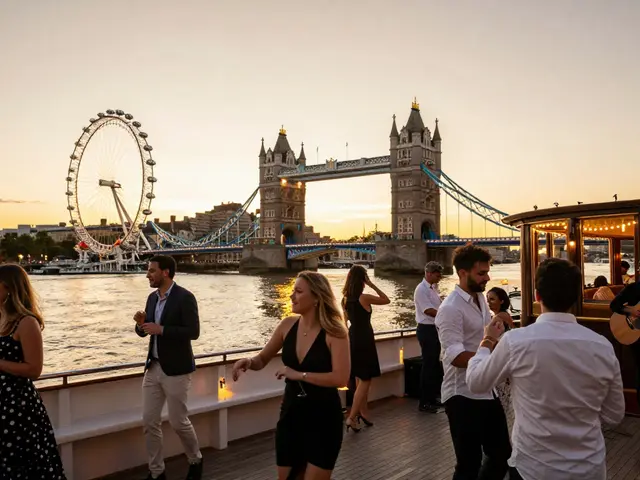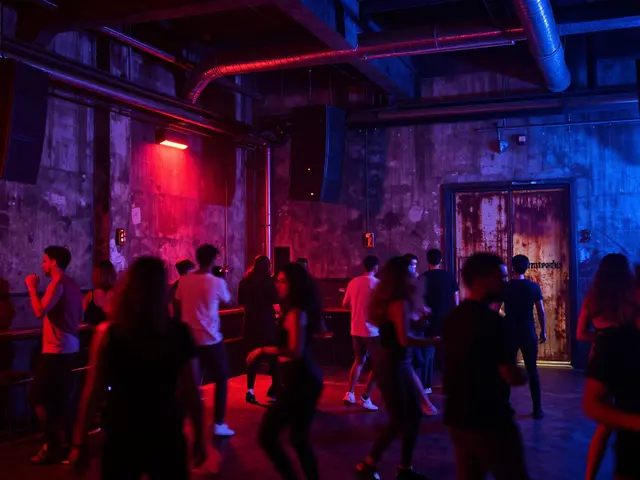
You’ve walked past the line before-maybe it’s wrapped around the corner in Soho, or maybe it’s just a velvet rope under a flickering neon sign. You hear the bass before you see the lights. That’s London. And if you’re wondering where to feel the pulse of the city after dark, you’re in the right place.
What Makes a Night Club in London Different?
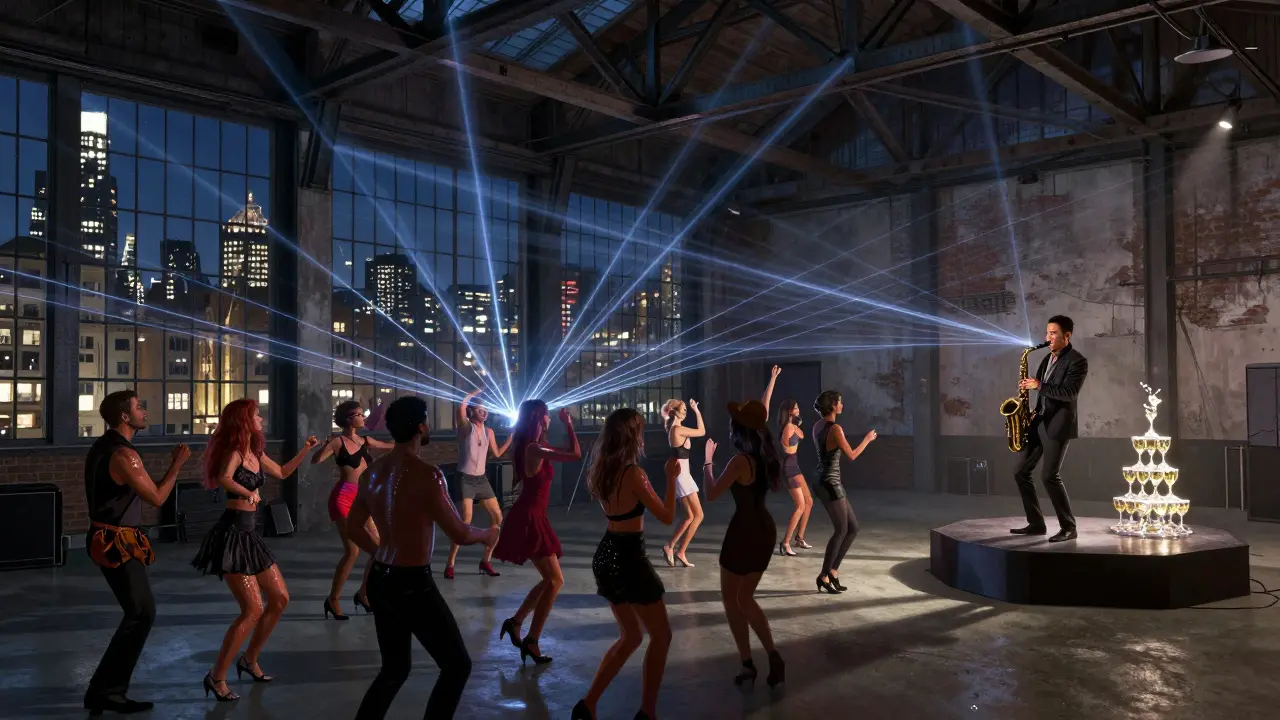
It’s not just about music. It’s not just about drinks. It’s about the energy that builds when 500 people in one room all feel the same beat at the same time. London’s clubs don’t just play music-they curate experiences. One night you’re in a basement in Shoreditch with a DJ spinning underground house, the next you’re in a glass tower in Mayfair with a live saxophonist and champagne towers. There’s no single London club scene. There are dozens.
Unlike other cities where clubs follow trends, London’s clubs create them. A new sound from Lagos? By Friday, it’s in Brixton. A viral TikTok track from Tokyo? By Monday, it’s blasting through Camden. The city doesn’t chase the music-it absorbs it, remixes it, and throws it back at you louder.
Where to Go: The Real Hotspots (Not the Tourist Traps)
Let’s cut through the noise. You don’t need to hear about the same five clubs everyone blogs about. Here’s where locals actually go:
- Fabric (Farringdon): The temple. Open until 5 AM. Bass-heavy, no VIP tables, no pretense. If you’ve never been here, you haven’t experienced London clubbing.
- The Jazz Café (Camden): Not a traditional club, but if you want live soul, funk, or Afrobeat with a crowd that dances like nobody’s watching-this is it.
- KOKO (Camden): A historic venue with a massive dance floor and a sound system that shakes your ribs. Often hosts genre-bending nights-from hyperpop to Latin house.
- Printworks (Peckham): A converted printing plant turned warehouse rave. Industrial, raw, and unforgettable. Expect DJs from Berlin, Tokyo, and Detroit. No dress code. Just sweat, music, and a skyline view from the roof.
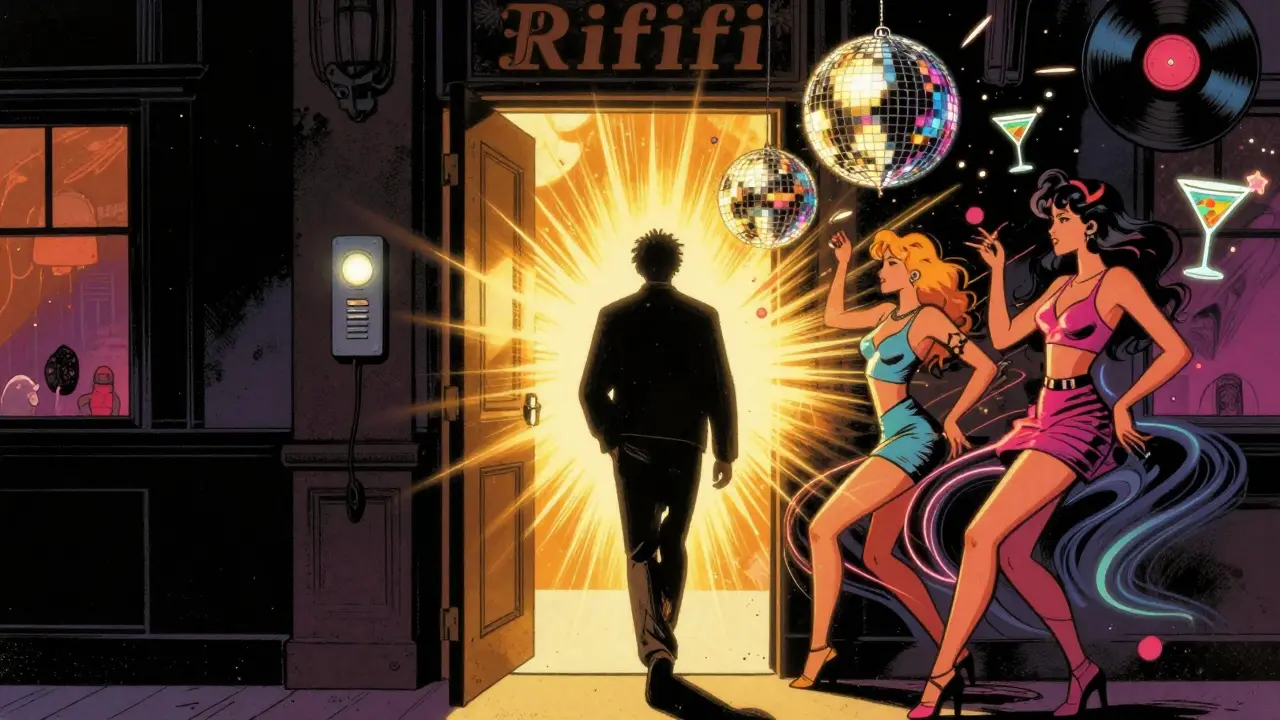
- Rififi (Soho): A tiny, hidden gem. No sign. Just a buzzer. Once you’re in, it’s 1990s-style garage and disco with a crowd that knows how to move.
Pro tip: Skip the West End clubs with £25 cover charges unless you’re there for the vibe, not the music. Most of the best sets happen in places you won’t find on Google Maps unless you know someone who’s been.
What to Expect When You Walk In
First thing: the door policy. London clubs are picky-not because they’re snobby, but because they’re trying to keep the energy right. You don’t need to be dressed like a model. But you do need to look like you care. No flip-flops. No baseball caps (seriously, they’ll turn you away). No group of guys in matching polo shirts.
Inside, the lighting shifts every 15 minutes. The music changes like a playlist made by a mad scientist. One minute it’s deep house, the next it’s UK drill, then a 2003 R&B remix. You’ll see people dancing like they’ve been waiting all week for this moment. Strangers will high-five you. Someone will offer you a free shot. You won’t remember why, but you’ll drink it.
And the drinks? They’re expensive, but not because they’re fancy. They’re expensive because the club doesn’t make money on entry-they make it on drinks. A pint of lager? £12. A gin and tonic? £14. A bottle of champagne? £300. But here’s the secret: most people don’t buy bottles. They buy singles. And they move fast.
When to Go: Timing Is Everything
Don’t show up at 11 PM. That’s when the bouncers are still checking IDs and the DJ is warming up. You want to arrive between 12:30 and 1 AM. That’s when the crowd thickens, the energy spikes, and the real party starts.
Weekends are obvious. But if you want something truly special, go on a Tuesday or Wednesday. Some clubs host underground nights then-think DJ sets from rising artists, free entry, and zero queues. Fabric’s “Thursday” night? A legend. Printworks’ “Wednesday Bass”? A cult favorite. These are the nights you’ll tell people about years later.
How to Get In (Without Paying £30 Cover)
You don’t need to be on a guest list. But you do need to know how to work the system.
- Follow clubs on Instagram. They post guest list links 24-48 hours before the event. Just send your name and number.
- Join Facebook groups like “London Clubbers” or “Underground London Nights”. People post free entry codes all the time.
- Know the staff. If you go to the same club twice, the bouncer will remember you. Say hi. Be polite. You’ll get in faster next time.
- Arrive early. If you’re in line before midnight, you’re almost guaranteed entry. After 1 AM? You’re rolling the dice.
Price Range: What You’ll Actually Spend
Here’s the real breakdown:
| Item | Cost | Notes |
|---|---|---|
| Entry (if not on guest list) | £10-£25 | Higher in Mayfair, lower in Peckham |
| Drink (single) | £8-£14 | Beer, gin, vodka, wine |
| Drink (bottle) | £150-£500 | Only if you’re celebrating |
| Transport (Uber home) | £15-£30 | After 3 AM, prices rise |
| Total (3-4 drinks, entry, transport) | £60-£100 | Realistic spend for most |
You can have a full night out for under £80 if you skip the bottle, use public transport, and get in for free. It’s not about how much you spend-it’s about how much you feel.
What to Avoid
- Wearing trainers with socks. Seriously. It’s a look that says “I just walked in from work.”
- Trying to bring in a bottle. You’ll be searched. You’ll be told to leave it. You’ll be embarrassed.
- Getting too drunk before you get in. Clubs have zero tolerance for people who are already wasted. You’ll get turned away.
- Asking for the “best club in London.” There isn’t one. There are 50. Find the one that matches your vibe.
Why This Matters
London isn’t just a city that has clubs. It’s a city that lives for them. People don’t come here to party. They come here to belong. To find a rhythm they didn’t know they were missing. To dance until their feet hurt and their voice is gone. To forget the stress of the day and remember what it feels like to be alive.
It’s not about status. It’s not about who you know. It’s about showing up-no excuses, no filters-and letting the music take over.
Frequently Asked Questions
What’s the dress code for London nightclubs?
Most clubs enforce a smart-casual dress code. No sportswear, no flip-flops, no baseball caps. Think dark jeans, a nice shirt or top, and clean shoes. It’s not about being fancy-it’s about showing you’ve made an effort. Some venues like KOKO or Rififi are more relaxed, but if you’re unsure, dress one step above your normal night out.
Are London nightclubs safe?
Yes, overwhelmingly so. Clubs have trained security, CCTV, and medical teams on standby. But safety also comes from your choices. Don’t leave your drink unattended. Don’t follow strangers into back rooms. Use Uber or public transport to get home. Most incidents happen when people ignore basic precautions. Stay aware, stay calm, and you’ll be fine.
Can I go to a London club alone?
Absolutely. Many people do. In fact, some of the best nights happen when you show up solo. You’ll meet people on the dance floor, not in the queue. Bouncers and staff are used to solo visitors. Just keep your phone charged, your bag secure, and your eyes open. You’ll leave with new friends and memories.
What’s the best time to leave a London club?
If you want the best experience, stay until the last hour. Most clubs peak between 3 and 4 AM. That’s when the DJ drops the track everyone remembers. The crowd is fully warmed up. The lights are dimmer. The energy is raw. Leaving at 2 AM means you missed the soul of the night.
Do I need to book in advance?
Not always. But for big-name DJs, special events, or weekends at top venues like Fabric or Printworks, booking ahead is smart. Check the club’s Instagram or website 3-5 days before. Guest lists often open 24-48 hours before the event. If you’re flexible, you can often walk in without a reservation-but don’t count on it.
So go. Find a club. Let the music pull you in. Dance like you’ve got nothing to prove. Because in London, the night doesn’t just start after dark-it starts when you decide to show up.