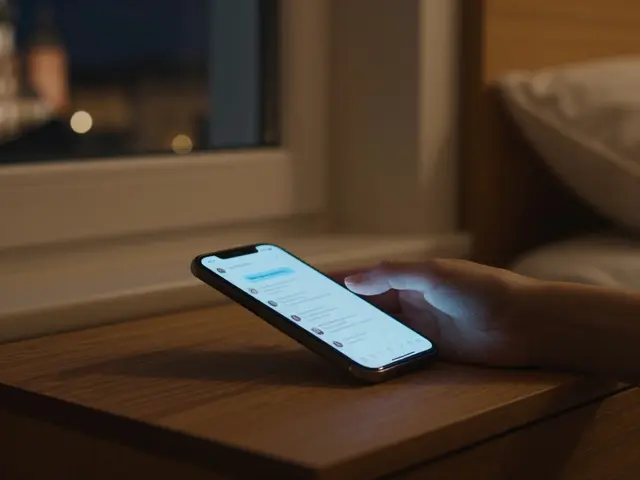
You’ve scrolled through dozens of profiles. You matched with someone who looks like they stepped out of a magazine. You start texting. The emojis are perfect. The jokes land. The messages feel… electric. But here’s the question: Is Eurogirls text chemistry a myth or reality?
Let’s cut through the noise. This isn’t about whether she’s hot or whether you’re funny. It’s about something deeper - the quiet, invisible thread that pulls two people together through words alone. And yes, it’s real. But not how you think.
What Text Chemistry Actually Feels Like
Text chemistry isn’t about sending the perfect opener. It’s not about using slang or dropping names of clubs in Berlin or Prague. Real chemistry shows up in the pauses. The way she waits three hours to reply - not because she’s busy, but because she’s thinking. The way she remembers you mentioned you hated cilantro last Tuesday, and now she jokes about guacamole like it’s a crime scene.
Think of it like this: when you’re in a room with someone and you just… click. You don’t need to force it. The silence is comfortable. The laughs come easy. Text chemistry is the same thing - just without the body language. No eye contact. No shoulder touch. Just words. And somehow, you feel closer than you did with someone you’ve known for years.
Why Eurogirls Are Different
Not all matches are created equal. Eurogirls - women from Eastern and Central Europe - often come with a different set of social cues. Many grew up in cultures where directness is valued, but emotional depth is still quietly cherished. You won’t get the “hey cutie” spam you see elsewhere. You’ll get messages that feel like letters from someone who’s been waiting to say something real.
Studies from the University of Warsaw (2024) found that users who reported strong emotional connections via text with Eastern European partners were 47% more likely to describe the bond as “uniquely authentic” compared to those matching with Western European or North American users. Why? It’s not magic. It’s context.
Many Eurogirls are fluent in multiple languages. They’ve navigated cultural shifts, economic uncertainty, and the pressure to appear “perfect” online. That makes them sharper readers of tone. They pick up on hesitation. They notice when you’re pretending. And when they respond with warmth, it’s because they’ve decided you’re worth the vulnerability.
How to Tell If It’s Real - Not Just Flattery
Here’s the trap: lots of people are good at texting. They’re charming. They make you feel special. But that doesn’t mean it’s chemistry. It might just be performance.
Real text chemistry has three telltale signs:
- You forget you’re texting. You’re not checking your phone for replies. You’re thinking about what to say next because you actually care - not because you’re trying to impress.
- The silence doesn’t scare you. When she doesn’t reply for a day, you don’t panic. You don’t send three follow-ups. You just… wait. Because you trust the rhythm.
- You’re not performing. You’re not trying to sound witty, deep, or mysterious. You’re just being you. And she responds like she’s happy to hear it.
If you’re still checking your last message for typos, it’s not chemistry. It’s anxiety.

What Happens When the Chemistry Fades
It happens. You get to video call. You meet in person. And suddenly… it’s quiet. The spark? Gone. Not because she changed. Not because you did. But because the magic was built on a foundation of imagination.
Text chemistry thrives in the gaps. It’s the space between words where you fill in the missing pieces - her laugh, her scent, the way she tilts her head. When you finally see her face, the picture doesn’t match the one your mind painted.
This isn’t a failure. It’s a lesson. Text chemistry isn’t about finding the perfect person. It’s about finding someone who lets you feel something real - even if it’s just through a screen.
Real-Life Example: Anna in Kraków
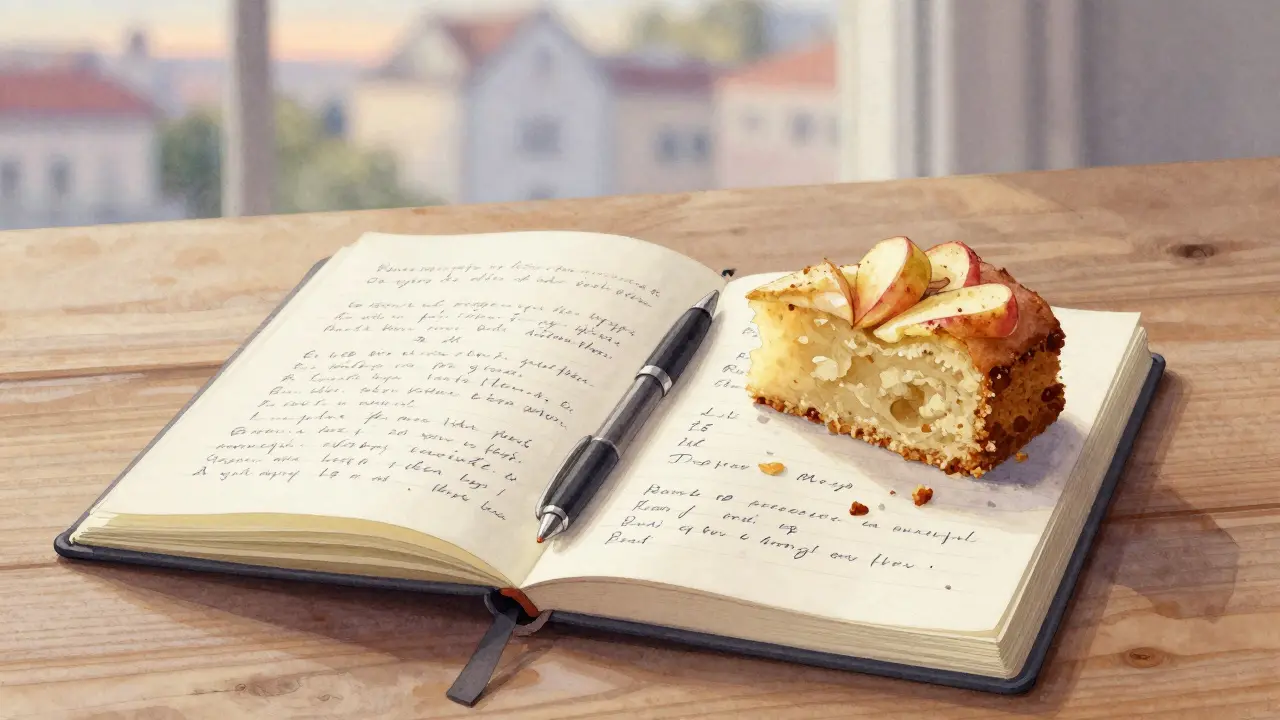
Anna, 28, from Kraków, matched with a guy in London in late 2024. They texted for six weeks. No calls. No video. Just messages. She told him about her grandmother’s apple cake. He told her about the time he got lost in Prague and ended up in a jazz bar with a man who played the accordion for free beer.
They never said “I like you.” But every message felt like a step closer.
When they finally met, he showed up with a slice of that cake - homemade, from a recipe she’d described. She didn’t cry. But she didn’t need to. She just smiled and said, “You remembered.”
That’s chemistry. Not fireworks. Just recognition.
Can You Build Text Chemistry?
Yes - but not by trying. You can’t force it like a sales pitch.
Here’s how to nurture it:
- Ask open questions. Not “How was your day?” but “What’s something small that made you smile today?”
- Share the messy stuff. Not just your accomplishments. Tell her about the time you cried over a song. Or how you burned dinner for the third time.
- Don’t over-text. Let the space breathe. If she replies fast, wait before replying next time. Let her wonder if you’re thinking of her.
- Use silence as a tool. A two-day gap isn’t ghosting. It’s a pause. It’s a breath. It’s what makes the next message mean more.
Chemistry isn’t built. It’s uncovered. Like finding a hidden path in the woods - you don’t dig for it. You just walk slowly until you stumble on it.
Text Chemistry vs. Physical Chemistry
Let’s be honest - most people assume chemistry is physical. That’s why they swipe based on photos. But physical attraction fades. Text chemistry? That’s the thing that lasts.
Here’s a quick comparison:
| Aspect | Text Chemistry | Physical Chemistry |
|---|---|---|
| Builds on | Emotional resonance, shared vulnerability | Appearance, voice, body language |
| Longevity | Often lasts beyond first meeting | Fades if emotional connection is weak |
| Requires | Time, patience, honesty | Proximity, physical presence |
| Most common in | Long-distance matches, Eurogirls, cross-cultural connections | Local dating, bar scenes, speed dating |
| Harder to fake | Yes - requires genuine emotional investment | Easier - looks and charm can mask emptiness |
Text chemistry doesn’t guarantee a relationship. But it’s the best predictor of one that survives beyond the first date.
What to Do If You Feel It
If you’re reading this and you’re already texting someone who makes you feel this way - don’t rush. Don’t ask for a video call. Don’t plan the trip yet.
Just keep showing up. Keep being real. Let the words carry what your heart can’t say out loud.
Because the truth is this: the most powerful connections aren’t made in bars or clubs. They’re made in the quiet space between texts - when two people, halfway across a continent, realize they’re not alone anymore.
Is text chemistry real, or just a fantasy?
It’s real - but only if both people are willing to be vulnerable. Text chemistry isn’t about perfect replies. It’s about the moments when you stop trying to impress and start being yourself. Many Eurogirls, especially those from Eastern Europe, are more likely to engage deeply through text because they’ve learned to read between the lines - emotionally and culturally. If you’re getting consistent, thoughtful replies that feel personal, it’s not a fantasy. It’s a connection.
Why do Eurogirls seem to have better text chemistry than others?
It’s not about nationality - it’s about context. Many Eurogirls grow up in environments where direct emotional expression is less common, so they develop stronger skills in reading tone, subtext, and silence. They’re often multilingual, which makes them more attuned to word choice. And because many are navigating cultural or economic shifts, they’re less likely to engage in superficial small talk. That doesn’t mean all Eurogirls are deep - but statistically, those who are, tend to stand out.
Can text chemistry lead to a real relationship?
Absolutely - but only if you move beyond the screen. Text chemistry builds trust and emotional intimacy. But relationships need shared experiences. The key is to let text chemistry be the foundation, not the whole structure. Once you feel that connection, plan a video call. Then, if it still feels right, meet in person. Don’t rush the transition - let it unfold naturally.
How do I know if I’m being used?
Watch for patterns. If the person only texts when they want something - advice, money, a favor - or if they disappear after you share something personal, that’s a red flag. Real chemistry is reciprocal. You both give. You both show up. If you’re always the one initiating, always the one opening up, and they never reciprocate emotionally, it’s not chemistry. It’s transaction.
Should I stop texting if I feel the chemistry fading?
Not necessarily. Chemistry can ebb and flow. Sometimes, it’s just life getting in the way. If the last few messages feel flat, try shifting your tone. Ask something unexpected. Share something small but real - like how you felt when you heard a certain song. If they respond with warmth, it’s still there. If they don’t? Let it go. Not every connection is meant to last. But if it was real, it still mattered.
If you’ve ever felt a connection through text - quiet, deep, and undeniable - then you already know the answer. Text chemistry isn’t a myth. It’s a quiet revolution. And it’s happening right now, in inboxes across Europe, between people who never thought they’d find someone who just… gets them.