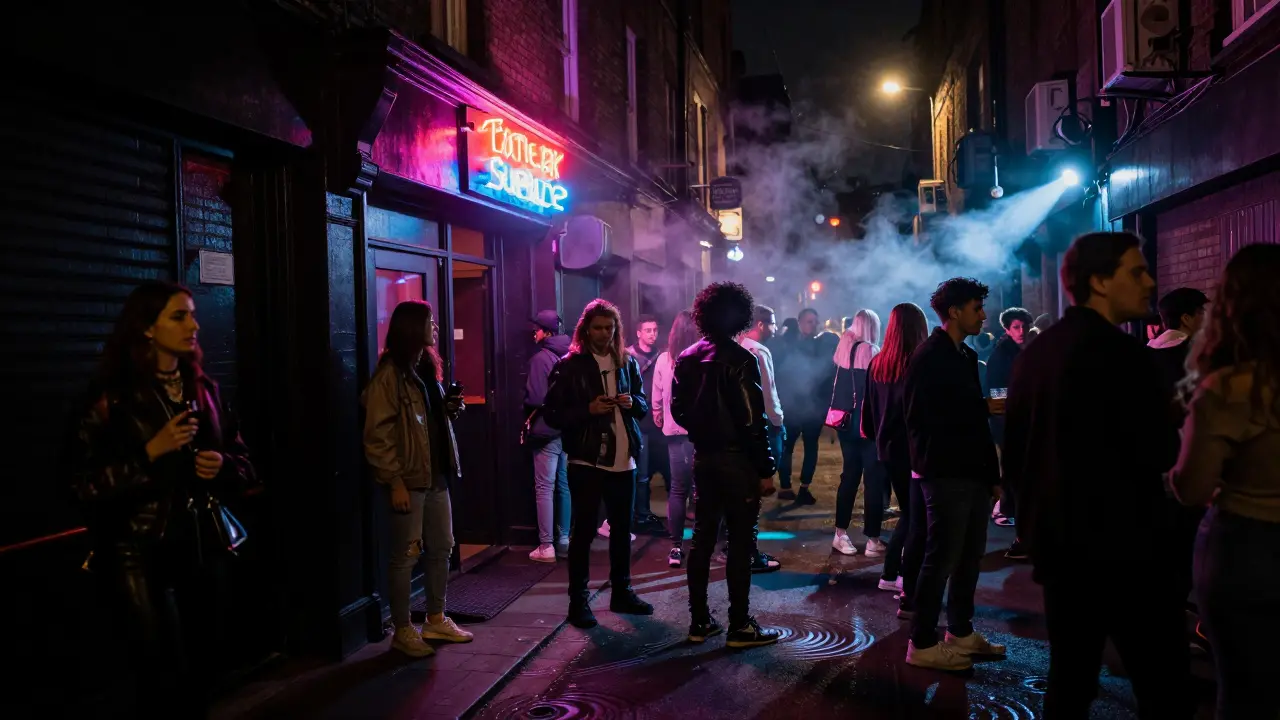
You walk into a dark alley in Shoreditch, the bass hits you before you even see the door. A line snakes around the corner, but you’re not worried-you’ve got the list. This isn’t just another night out. This is night club London at its rawest, most electric. No pretense. No rules. Just music, sweat, and the kind of energy that only happens when 500 people move as one under strobe lights.
Key Takeaways
- London’s top nightclubs aren’t just venues-they’re experiences shaped by music, culture, and location.
- From underground basements to rooftop penthouses, each club has its own vibe, crowd, and rulebook.
- Dress codes vary wildly: some places demand designer gear, others welcome ripped jeans and sneakers.
- Entry isn’t just about showing up-timing, dress, and even your vibe can make the difference.
- London’s club scene is safer and more diverse than ever, with LGBTQ+, Latin, Afrobeat, and techno nights thriving side by side.
The London Nightclub Scene: More Than Just a Party
London doesn’t have one nightlife scene-it has dozens. Each neighborhood has its own heartbeat. In Mayfair, you’ll find velvet ropes and champagne towers. In Peckham, it’s house music blasting from a converted warehouse. In Camden, it’s punk remixes and neon graffiti. And in Brixton? That’s where the bass drops so hard you feel it in your ribs.
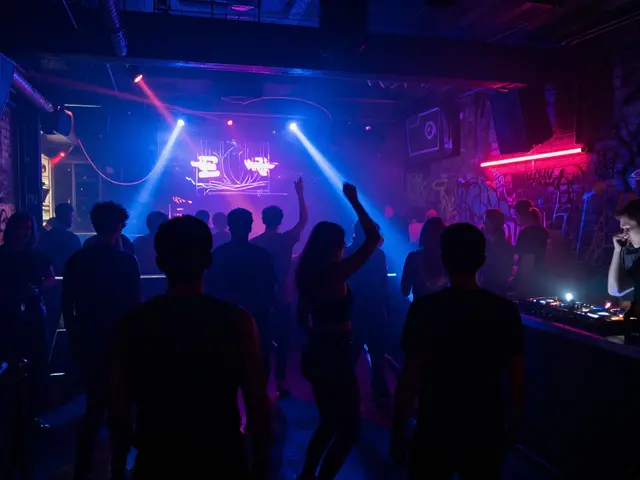
Forget the old idea that nightclubs are just places to drink and dance. Today, they’re cultural hubs. A club like Fabric isn’t just a venue-it’s a temple for techno lovers. Ministry of Sound doesn’t play music; it curates moods. And places like Printworks? They’re abandoned railway halls turned into massive, industrial sound temples with 3,000 people moving under laser grids.
Why London Nightclubs Are Different
Most cities have clubs. London has legends. Here’s why:
- Music diversity: You can hear deep house at 2 a.m., then switch to reggaeton by 3 a.m., and end with drum & bass before sunrise.
- 24-hour culture: Some clubs open at 10 p.m. and don’t close until 6 a.m.-or later. The city never sleeps, and neither do its best clubs.
- Global crowds: Whether you’re from Tokyo, Lagos, or Buenos Aires, you’ll find your tribe here. London’s clubs are melting pots of accents, styles, and sounds.
- History: Clubs like The Wag Club (1980s) and The Haçienda (Manchester, but influential) paved the way. Today’s venues carry that legacy.
Types of Nightclubs in London
Not all clubs are made equal. Here’s what you’ll actually find:
1. The Iconic Superclubs
These are the ones you’ve seen in movies. Ministry of Sound, Fabric, and XOYO. They book world-famous DJs, have state-of-the-art sound systems, and charge £20-£30 at the door. You’re not just paying for entry-you’re paying for an audio experience. The bass here isn’t loud. It’s physical.
2. The Underground Basements
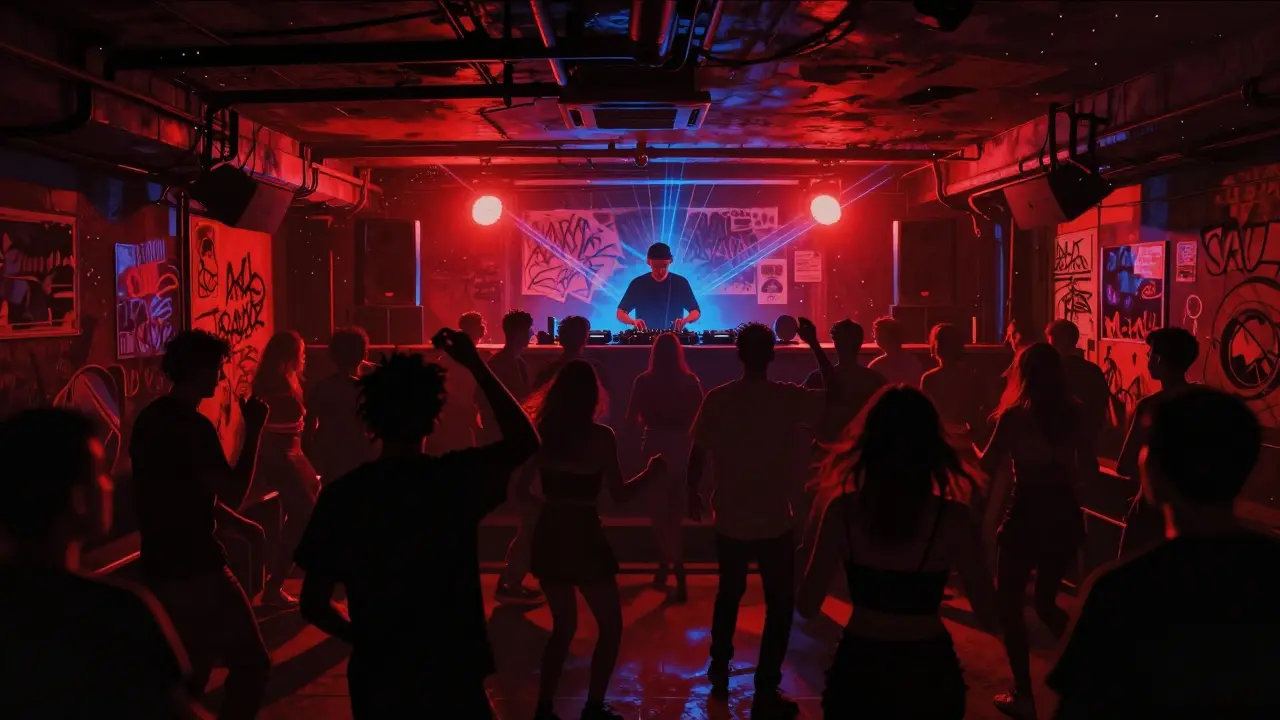
Think hidden doors, no signs, password-only entry. Places like The Nest in Peckham or Barbican’s Basement. These are where real DJs test new tracks. No VIP section. No bottle service. Just pure sound, dim lights, and people who know what they’re there for.
3. The Rooftop Clubs
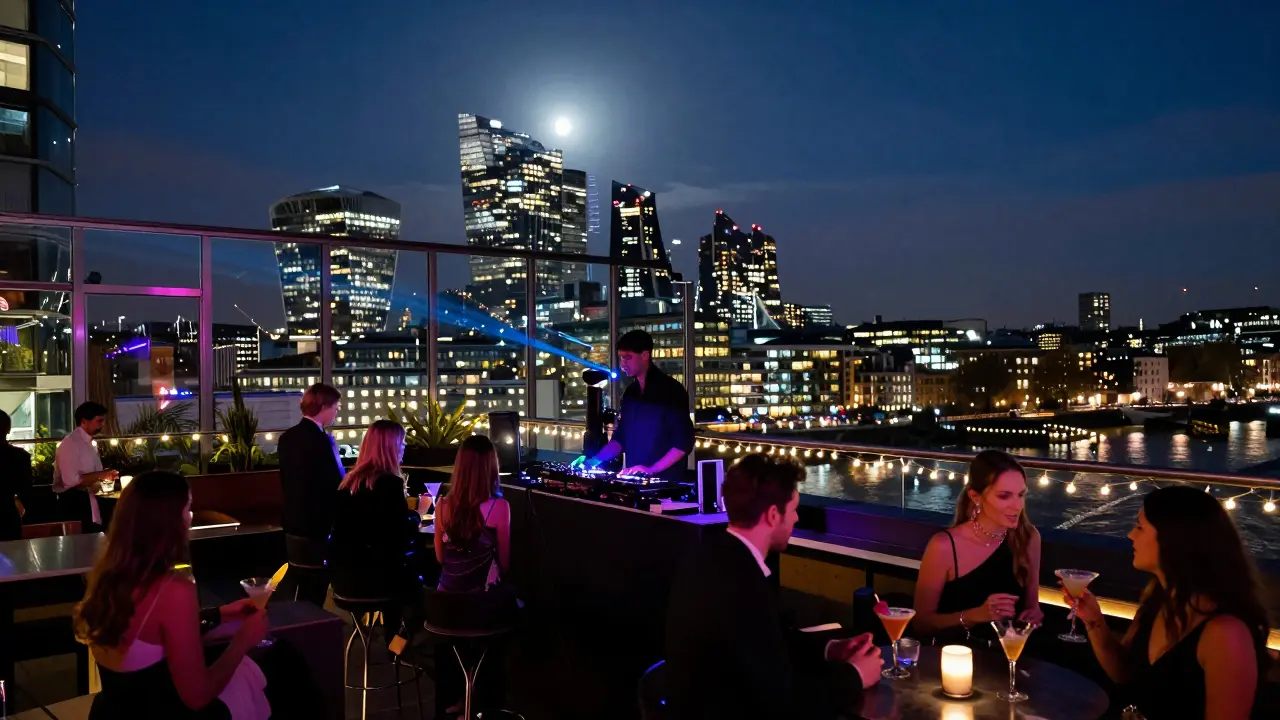
When the weather’s good, London’s skyline becomes the backdrop. Clubs like Shoreditch House (members-only) or The Rooftop at The Standard offer cocktails, chill beats, and views of the Thames. Perfect if you want to ease into the night before heading downtown.
4. The Themed Nights
Every club has a signature night. Popworld on Fridays? 90s and 2000s bangers. La Cigale on Tuesdays? Latin rhythms and salsa dancing. Queer as Folk at The George? Drag shows and glitter bombs. These aren’t gimmicks-they’re communities.
5. The Late-Night Eateries That Turn Into Clubs
Yes, really. Barrafina in Soho turns into a salsa party after midnight. Wagamama in King’s Cross? DJs spin after 1 a.m. on weekends. You’re eating ramen, then dancing to Afrobeats. It’s weird. It’s wonderful.
How to Find the Right Nightclub for You
Don’t just Google “best nightclubs London.” That list will give you the same 5 names over and over. Here’s how to find your scene:
- Follow local DJs. If you like a DJ’s set on SoundCloud, check where they’re playing next.
- Check Resident Advisor. It’s the bible for electronic music. You’ll find underground events no one else talks about.
- Join Facebook groups. “London Nightlife Secrets” and “Underground London Clubs” have real insider tips.
- Ask the bar staff. If you’re at a decent pub after 10 p.m., ask: “Where’s the real party tonight?” They’ll tell you.
- Look for word-of-mouth. If a club has a line out the door, it’s worth it. If it’s empty, walk away.
What to Expect When You Walk In
First time? Here’s what actually happens:
- Entry: Bouncers scan your ID. No fake IDs. They’ve seen every one. If you’re under 21, you’re out. Period.
- Dress code: Some clubs require smart casual-no trainers, no hoodies. Others? Just no flip-flops. If in doubt, dress like you’re going to a fancy bar-not a concert.
- Lines: Expect to wait 15-45 minutes. The trick? Arrive between 11:30 p.m. and 12:30 a.m. After 1 a.m., it’s chaos.
- Security: Bags are checked. Phones are allowed. No weapons. No drugs. They’re strict, but fair.
- Drinks: £12 for a gin and tonic. £15 for a cocktail. £25 for a bottle of prosecco. Cash is still king at some places, but card payments are everywhere now.
- Music: You won’t hear Top 40 hits all night. You’ll hear deep grooves, forgotten classics, and brand-new tracks you’ve never heard before.
Pricing and Booking
Costs vary wildly. Here’s the real breakdown:
| Club Type | Entry Fee | Drink Price | Reservation Needed? |
|---|---|---|---|
| Superclubs (Fabric, Ministry) | £20-£35 | £12-£18 | Yes, for groups |
| Underground (The Nest, The Bunker) | £5-£15 | £8-£12 | No |
| Rooftop (The Standard, Shoreditch House) | £10-£25 | £15-£22 | Yes, for tables |
| Themed Nights (Popworld, Queer as Folk) | £10-£20 | £10-£16 | Usually not |
| Late-night Eateries | Free after 1 a.m. | £9-£14 | No |
Pro tip: If you’re going with a group of 4+, call ahead. Some clubs hold tables. Others don’t. And if you’re solo? You’ll fit right in. London clubs are full of people who came alone-and left with new friends.
Safety Tips for Nightclubbing in London
London’s one of the safest cities for nightlife-but you still need to be smart.
- Never leave your drink unattended. Even if you trust the person next to you.
- Use trusted transport. Uber and Bolt are reliable. Avoid unlicensed cabs.
- Know your limit. London clubs are loud. You’ll drink faster than you think. Water between drinks. Always.
- Have a plan. Know how you’re getting home before you go out. Set a meeting spot with your group.
- Trust your gut. If something feels off, leave. No shame.
London Nightclub vs. Bar Scene
| Feature | Nightclub | Bar |
|---|---|---|
| Music | Loud, curated, DJ-driven | Background, often acoustic or indie |
| Dancing | Expected, encouraged | Rare. Maybe one person swaying |
| Atmosphere | High energy, immersive | Casual, conversational |
| Cost | Higher entry, higher drinks | No entry, lower drinks |
| Best for | Partying, meeting new people, music lovers | Relaxing, dates, quiet chats |
Bars are great for a slow night. Clubs are for when you want to forget the world.
Frequently Asked Questions
What’s the best night to go clubbing in London?
Friday and Saturday are the busiest, but Thursday nights are where the real magic happens. Many clubs launch their best themed nights on Thursdays-think Afrobeat, Latin, or underground techno. You’ll get in faster, pay less, and dance like no one’s watching. Sunday nights? Some clubs host chill afterparties with live sets. Perfect if you’re not into the chaos.
Can I go to a London nightclub alone?
Absolutely. London is one of the most solo-friendly nightlife scenes in the world. Many people go alone. You’ll see it: a person at the bar, dancing alone, smiling. No one judges. In fact, you’re more likely to meet someone if you’re on your own. Just be open. Say hi. Dance. Don’t wait for someone to talk to you-start it.
Are there any clubs that are free to enter?
Yes. Most underground spots and late-night eateries don’t charge entry. Places like The Windmill in Brixton, The Old Blue Last in Shoreditch, or The George in Soho let you in for free after 1 a.m. You still pay for drinks, but you’re not paying to get in. These are the places where locals go-and where the real music lives.
What’s the dress code for London nightclubs?
It depends. Superclubs like Fabric or Ministry of Sound: no sportswear, no hoodies, no flip-flops. Smart jeans, a nice shirt, clean shoes. Underground spots? Hoodies are fine. If you’re going to a themed night-like a 90s rave or Latin party-go wild. Dress up. That’s the point. When in doubt, ask the club’s Instagram page. They usually post dress codes the day before.
Do I need to book in advance?
For big clubs on weekends? Yes. Especially if you’re with a group. For smaller clubs? Not usually. You can walk in. But if you want to guarantee entry, use Eventbrite or the club’s website. Some even offer early-bird discounts-£5 off if you book 24 hours ahead. Always check before you go.
Ready for Your Night?
London’s nightclubs aren’t just places to go out. They’re where memories are made. Where strangers become friends. Where music moves you in ways words can’t. So put on your shoes. Leave your worries at the door. And step into the bass.
There’s a club out there waiting for you. And it’s not just playing music.
It’s calling your name.