
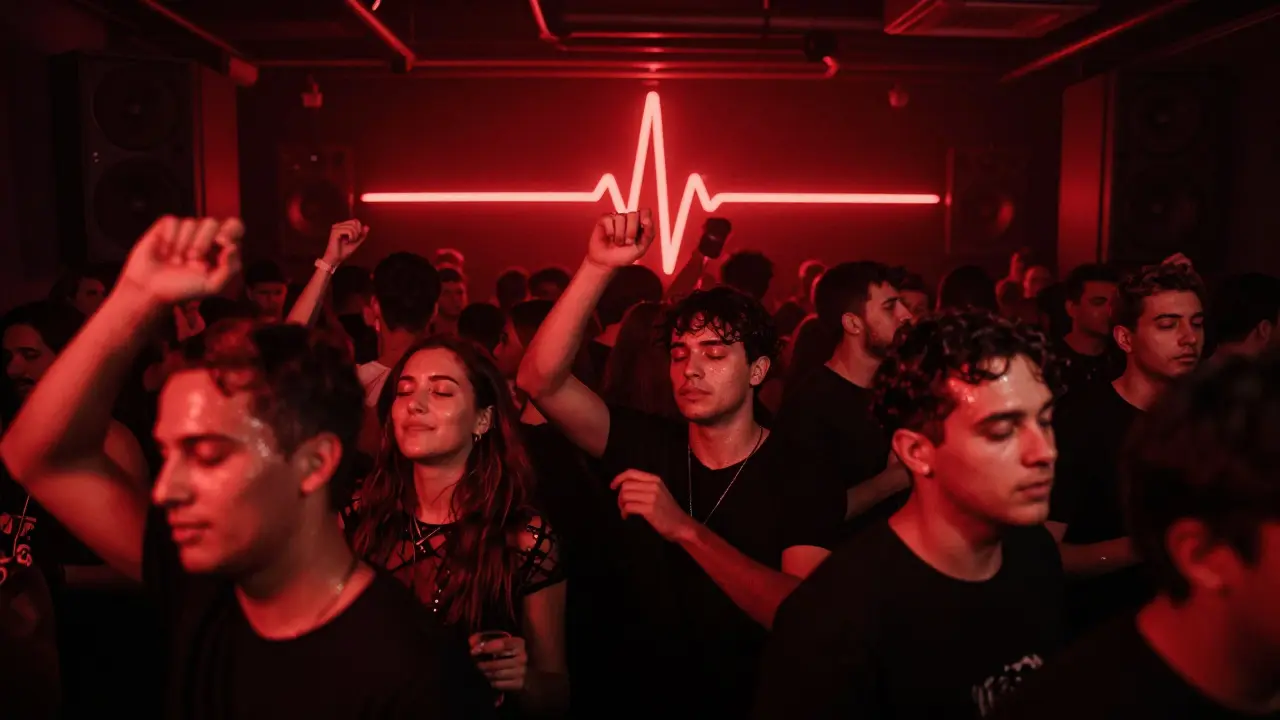
You walk into Ministry of Sound on a Friday night and the bass hits you before you even see the lights. It’s not just sound-it’s a physical thing, vibrating in your chest, pulling you forward. You didn’t come here to hear music. You came to feel it. And that’s exactly why Ministry of Sound has stayed at the top of London’s nightlife for over three decades.
What Makes Ministry of Sound Different?
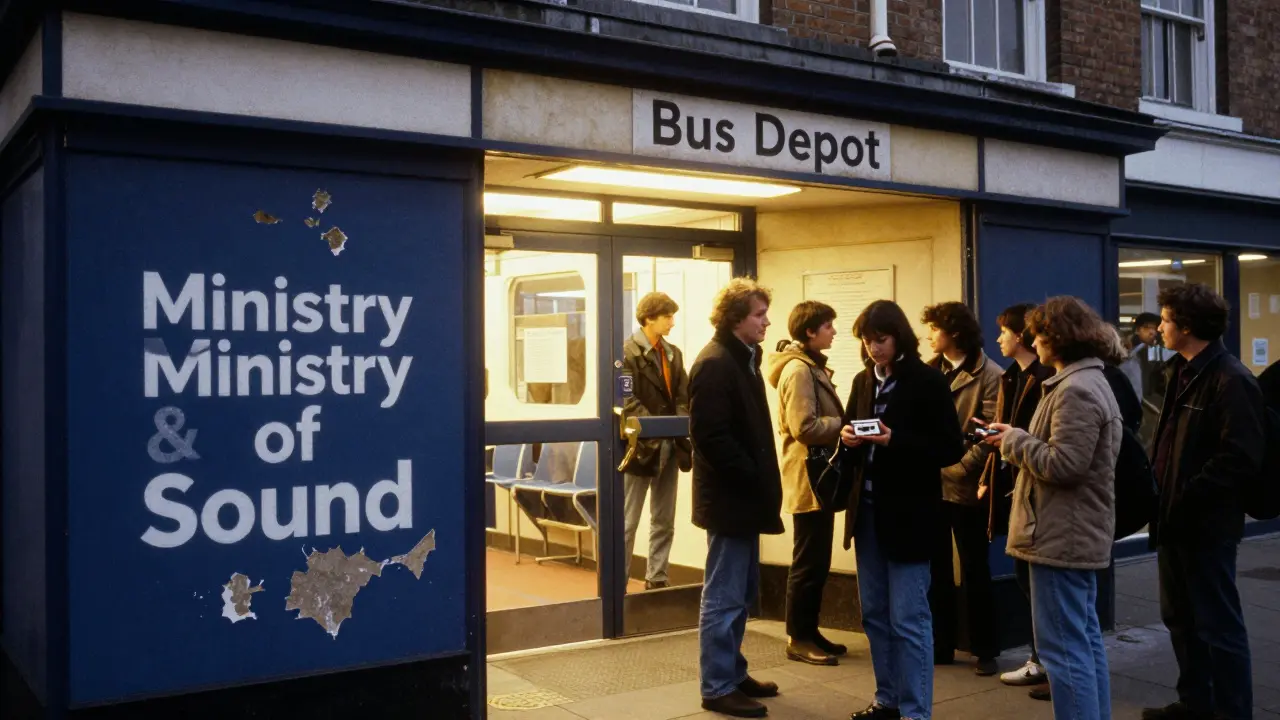
Most clubs are rooms with speakers. Ministry of Sound is a temple built for house and techno. Opened in 1991 in a converted bus depot in Elephant & Castle, it wasn’t just another party spot-it was designed from the ground up to be the best-sounding club in the world. The founders didn’t just want a dance floor. They wanted a sonic experience you couldn’t get anywhere else.
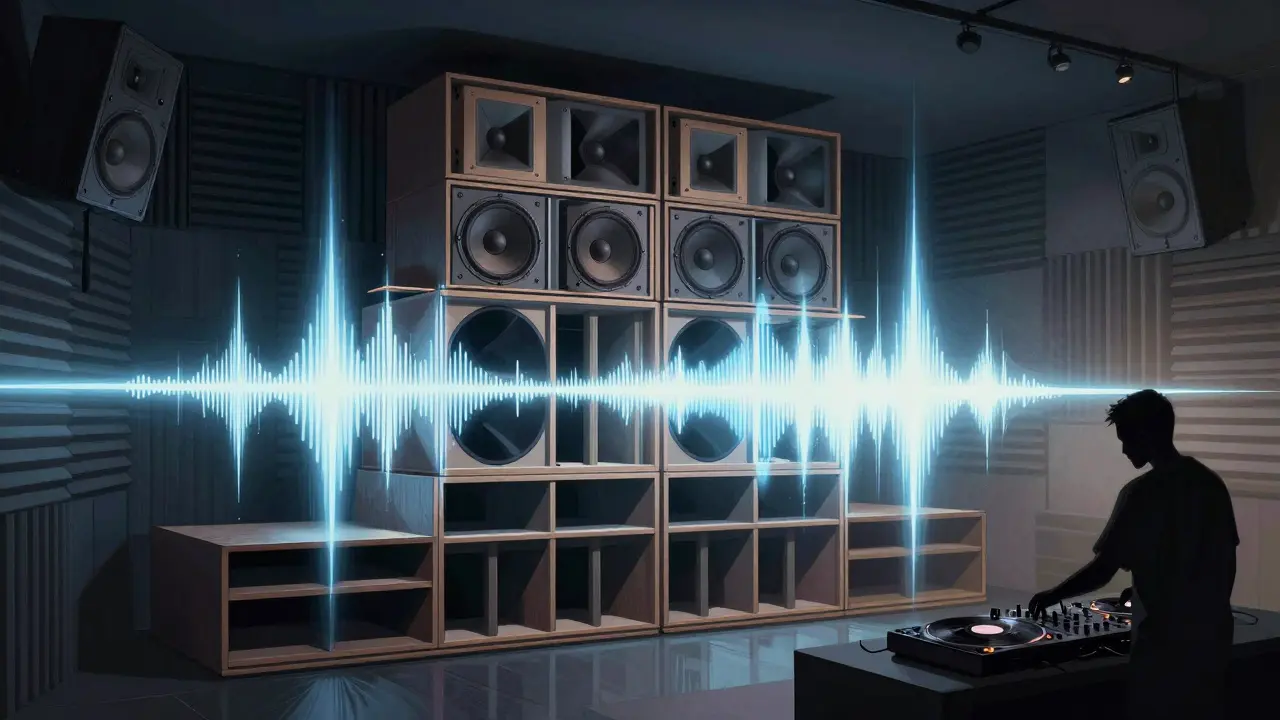
They hired audio engineers who worked with studios, not bars. They installed custom-built speakers, layered soundproofing, and engineered the room’s shape to eliminate dead zones. The result? Every beat lands with precision. Every bassline rumbles like it’s coming from inside your bones. You don’t just hear the music-you’re inside it.
And it’s not just about the sound. It’s the culture. This is where house music became a movement in the UK. In the early ‘90s, when clubs were fading out, Ministry of Sound kept the lights on. It didn’t chase trends. It defined them. You’ll still find DJs here who played the first rave in London. The same ones who brought you Carl Cox, Jeff Mills, and Charlotte de Witte before they were names on billboards.
The Sound That Changed Everything
Ministry of Sound didn’t just host parties. It created a blueprint. The club’s sound system-dubbed the Ministry of Sound PA-became the gold standard. Other clubs tried to copy it. None matched it. Why? Because it wasn’t just equipment. It was architecture.
The room is shaped like a long, narrow rectangle, not a square. That design lets sound travel evenly from front to back. No one gets left in the corner. No one misses the drop. Even if you’re standing near the bar, the music hits you the same way as if you’re front and center. That’s rare. Most clubs have dead spots. Ministry doesn’t.
And the speakers? They’re not off-the-shelf. They’re custom-built by the club’s own team, tuned to respond to the low-end frequencies house music demands. You’ll hear sub-bass that shakes your shoes. Hi-hats that snap like a whip. And vocals-clear as a phone call. This isn’t background noise. This is a full-body immersion.
Who Plays Here? The Legends and the New Guard
Ministry of Sound doesn’t book DJs for fame. It books them for credibility. Walk in on a Saturday and you might catch Carl Cox a pioneering DJ and producer who helped define the UK house scene since the late ‘80s spinning vinyl, or Charlotte de Witte a Belgian techno force known for her high-energy sets and global influence tearing through a 4am set. But you’ll also find rising stars-producers who cut their teeth on Ministry’s sound system and now headline festivals across Europe.
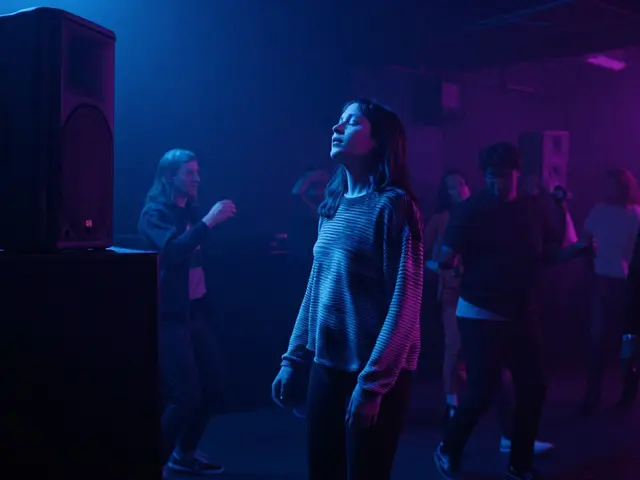
The club doesn’t chase viral TikTok DJs. It looks for people who understand the craft. The ones who know how to build a set over three hours-not just drop three bangers and call it a night. That’s why you’ll see people standing still, eyes closed, lost in the music. They’re not waiting for the next hit. They’re riding the wave.
And the playlists? They’re curated, not algorithm-driven. The resident DJs don’t just play what’s trending. They play what moves people. Deep house, garage, tech-house, progressive-Ministry’s floors shift like tides, but the soul stays the same.
What Happens After Midnight?
Ministry of Sound doesn’t just open at 10pm. It comes alive after 1am. That’s when the real crowd shows up. Not the ones in designer clothes taking selfies. The ones who’ve been waiting all week for this. The ones who know the difference between a club and a sanctuary.
The main room is where the big names play. But head downstairs to the Studio-a smaller, darker space-and you’ll find the underground. No VIP tables. No bottle service. Just pure, unfiltered techno and house. It’s where DJs test new tracks. Where producers sneak in to hear how their music sounds on the real system. It’s raw. It’s real. And it’s where the future of the genre is being shaped.
On Sundays, the club hosts Sound of the Underground, a weekly party that’s been running since 1999. It’s one of the longest-running house music residencies in the world. People fly in from Germany, Brazil, Japan-just to be here. Why? Because it’s not a party. It’s a ritual.
How to Get In (And What to Wear)
You won’t find a dress code that says “no trainers.” Ministry doesn’t care if you’re in jeans or a suit. They care if you’re there to dance. That said, most people dress to move-think dark tones, breathable fabrics, and shoes that won’t kill you after 6 hours.
Entry? It’s not easy, and it’s not supposed to be. You need to plan. Tickets sell out days in advance for big names. The club uses a simple system: pre-book online, or wait in line. No VIP lists. No bribes. If you’re serious, you show up early. If you’re not? You’ll be turned away.
Pro tip: Check the calendar on their site. If you want the best vibe, aim for Thursday or Saturday. Friday is packed, but Sunday is where the real fans gather. And if you’re new? Go early. The first hour is the best time to feel the room breathe.
Ministry of Sound vs. Other London Clubs
| Feature | Ministry of Sound | Fabric | Berghain | Outernet |
|---|---|---|---|---|
| Primary Sound System | Custom-built, room-tuned | High-end, but smaller room | Legendary, but minimalist | Modern, but less bass depth |
| Music Style Focus | House, tech-house, garage | Techno, minimal | Techno, industrial | EDM, pop-house |
| Open Hours | 10pm-2am (3am weekends) | 10pm-6am | 10pm-6am (unpredictable) | 9pm-1am |
| Entry Difficulty | High (tickets sell out) | Very high (no online sales) | Extreme (no list, no tickets) | Low (walk-in friendly) |
| Unique Feature | Sound engineering legacy | Underground vibe | 24/7 culture | Multi-room tech |
Ministry stands apart because it doesn’t hide behind mystery. It doesn’t gatekeep with secrecy. It opens its doors and says: Here’s the sound. Come feel it. That’s why it’s lasted.
What to Expect on Your First Visit
First timer? Here’s what happens:
- You walk in past the old bus depot sign. It’s still there. A relic.
- The air is warm, thick with sweat and bass.
- People aren’t staring at their phones. They’re dancing-fully, wildly, without shame.
- The lights don’t flash. They pulse. Slow. Deep. Like a heartbeat.
- You feel the music before you see the stage. That’s intentional.
- You’ll find yourself moving without thinking. That’s the Ministry effect.
There’s no VIP section to climb over. No bouncers shoving people. Just a crowd, a sound, and a shared silence between songs-when everyone holds their breath before the next drop.
Is It Worth the Price?
Tickets range from £15-£35 depending on the night. That’s more than your average pub, but less than most London clubs charging £50+ for a headline DJ. And here’s the thing: you’re not paying for a drink. You’re paying for access to one of the best sound systems on Earth.
Think of it this way: Would you pay £30 to hear a live orchestra? What about a world-class speaker system that’s been fine-tuned for 30 years? Ministry isn’t a club. It’s a live audio experience.
And if you’re into music production? They offer studio tours. You can see how the sound is built, tested, and perfected. It’s not a gimmick. It’s education.
FAQ: Your Questions About Ministry of Sound Answered
Is Ministry of Sound still relevant in 2026?
Absolutely. It’s not just relevant-it’s essential. While other clubs chase trends, Ministry stays true to its roots. In 2026, it’s still the only club in London where house music is treated like a living art form. The crowd is younger than ever, and the sound system has been upgraded with new tech that preserves the original tone. It’s not a nostalgia trip. It’s the future of dance music.
Can you go to Ministry of Sound alone?
Yes, and many do. The club has a reputation for being welcoming to solo visitors. People come here to lose themselves in the music, not to network. You’ll find others dancing alone, smiling, eyes closed. There’s no pressure to talk. Just move. That’s the vibe.
Do they serve alcohol?
Yes, but it’s not the focus. Drinks are priced fairly, and the bar staff know the crowd. They don’t push expensive cocktails. You’ll find beer, wine, and simple spirits. Most people come for the music, not the bar tab.
Is Ministry of Sound safe for women?
Yes. The club has a zero-tolerance policy for harassment. Security is visible but not aggressive. Staff are trained to intervene if someone feels uncomfortable. The crowd itself is respectful-people are here for the music, not to perform. Many women say Ministry is one of the safest clubs in London to go out alone.
What’s the best night to go?
Thursday for new music, Saturday for big names, and Sunday for the underground. Sunday’s Sound of the Underground is the most authentic experience-no hype, no influencers, just pure house music and a crowd that’s been waiting all week.
Final Thought: Why Ministry of Sound Still Matters
London has changed. New clubs open. Old ones close. Trends come and go. But Ministry of Sound? It’s still here. Not because it’s flashy. Not because it’s loud. But because it’s honest.
It doesn’t sell you a fantasy. It gives you a truth: music, when played right, can move you in ways nothing else can. You don’t need a VIP table. You don’t need a bottle. You just need to show up-and let the sound take over.
That’s why, 35 years later, people still line up. Not for the name. Not for the logo. But for the sound.



8 Comments
thats so true i went last month and the bass just… swallowed me whole. like my ribs were vibrating and i swear my teeth were humming. no other club i’ve been to does that. even fabric feels flat after ministry. i dont even like house music that much but i left there feeling like i’d been baptized in sound.
/p>also the dude at the bar gave me a free water bc i looked like i was about to pass out. weirdly kind.
you know what i love most about ministry? it’s not trying to be cool. it doesn’t need to be. it’s just… there. like a cathedral for people who don’t go to church. the fact that it’s still running in the same building since 1991, with the same soul, same speakers, same vibe-that’s rare in a world where everything gets rebranded, repackaged, and sold back to us as ‘new.’
/p>they didn’t upgrade the sound system to make it louder. they upgraded it to make it truer. that’s art. that’s devotion. that’s why people fly from japan just to stand in the back and cry during a 4am deep house set. not because they’re drunk. because they’re home.
the sound engineering is next level. the room shape alone makes all the difference. most clubs are square and ruin the acoustics. ministry is long and narrow like a cathedral. it lets the bass travel properly. no dead zones. no echo. just pure physics turned into magic.
/p>also the sunday session is the real deal. no influencers. no lights. just sound and sweat.
you say it’s about the sound but let’s be real-this place is a brand. the name ‘ministry of sound’ is everywhere. merch. albums. radio shows. it’s a franchise disguised as a temple. and don’t get me started on the ticket prices. £35 to hear a dj who’s been playing the same 3 tracks since 2015? you think the sound system is worth it? tell that to the guy in the corner who’s still using his phone to record the drop.
/p>also i heard they started selling nfts of the basslines last year. is that true? or am i just paranoid?
the comparison table is misleading. fabric has a better low-end response in the main room. berghain’s acoustics are more immersive. ministry’s advantage is consistency, not superiority. it’s reliable, not revolutionary.
/p>also, the ‘no dress code’ myth is propaganda. everyone wears black. everyone. even the tourists. it’s just less obvious than berghain’s bouncer psychology.
oh my god i just got chills reading this. you described it like a poem. i’ve been going since i was 19 and i still get that same feeling-like the music isn’t coming from speakers but from the floor itself. like the building is breathing.
/p>and the sunday session? that’s sacred. i’ve seen grown men cry when carl cox drops that old 90s garage track. no one talks. no one records. they just close their eyes and let it wash over them. that’s not nightlife. that’s healing.
if you’ve never been alone to a club and felt completely safe? go to ministry. it’s the only place where your soul doesn’t have to wear a mask.
the sound system is impressive. however, the cultural significance is overstated. many other venues worldwide have comparable acoustics. the nostalgia factor is strong, but innovation has stagnated. modern techno producers rarely premiere tracks here. this is a museum, not a laboratory.
/p>i wonder if the building remembers all the hearts that broke and healed in it. all the people who came alone and left with something they couldn’t name. the bass isn’t just sound. it’s echo. it’s memory. it’s the ghost of every person who ever danced until their legs gave out.
/p>maybe the real miracle isn’t the speakers. it’s that after 30 years, we still let ourselves feel this much.