
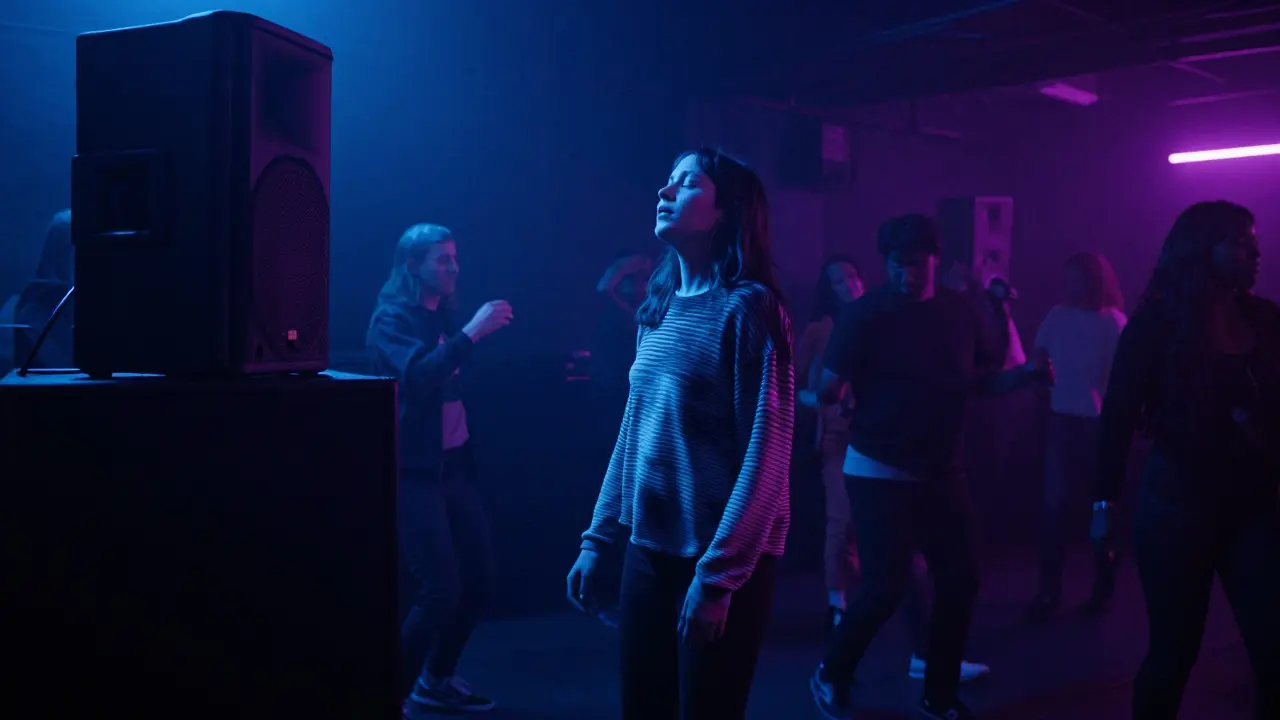
You’ve been stressed all week. Deadlines piled up, your inbox never stops pinging, and you just need to feel something-anything-other than exhaustion. So you put on your favorite outfit, head out to a club in Shoreditch, and lose yourself in the bass. By 2 a.m., you’re laughing with strangers, sweat-drenched and alive. And then you wonder: Was that good for my mental health?
Short answer? Yes-when it’s done right. Clubbing isn’t just about loud music and flashy lights. For many people, especially in cities like London, it’s a rare chance to reset, reconnect, and release. But it’s not magic. It’s science, psychology, and community wrapped in a bassline.
Why Clubbing Can Actually Help Your Mental Health
Think of a club like a pressure valve. When your brain is stuck in overdrive-ruminating on work, scrolling through social media, or replaying awkward conversations-your nervous system stays in fight-or-flight mode. Clubbing flips the switch.
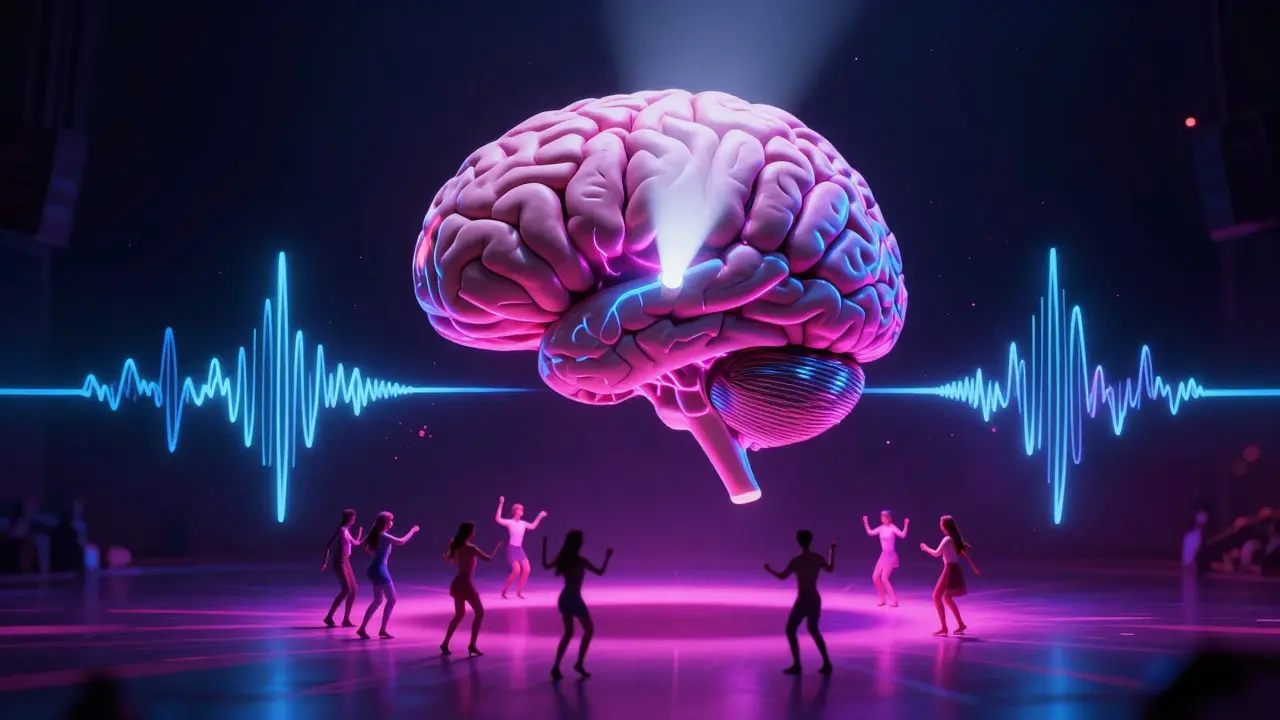
Dancing releases endorphins, yes, but it also forces you out of your head. You can’t think about your email while you’re trying to sync your steps with a beat that’s pounding at 128 BPM. That’s called flow state. Psychologists call it one of the most effective natural stress relievers. A 2021 study from the University of London found that people who danced for 30 minutes in a social setting showed a 40% drop in cortisol levels-more than those who went for a run alone.
And it’s not just about movement. There’s something powerful about being surrounded by strangers who are all there for the same reason: to feel free. In a world where loneliness is rising-especially among young adults in cities-clubs offer accidental connection. You don’t need to exchange names. You just need to smile, nod, or dance next to someone who gets it.
What Kind of Clubbing Actually Helps?
Not all nights out are created equal. If you’re looking for mental health benefits, the type of club matters.
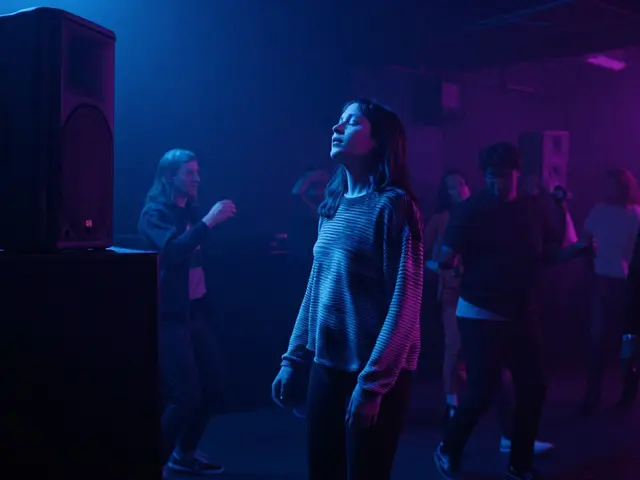
- Music-focused clubs (like Fabric or Printworks): Deep house, techno, or ambient sets. These spaces prioritize sound over spectacle. People move slowly, eyes closed, bodies swaying. It’s less about partying, more about meditation with a beat.
- Community nights (like Queer as Folk at The Cross or Body & Soul in Dalston): These aren’t just parties-they’re safe havens. For LGBTQ+ folks, people of color, or anyone who feels out of place elsewhere, these events offer belonging. Studies show that belonging is one of the strongest predictors of long-term mental well-being.
- Low-key warehouse parties: Think dim lights, no VIP section, no cover charge. These spaces attract people who want to escape the performative side of nightlife. You’re not there to be seen-you’re there to feel.
- Drunk or drug-fueled nights: These rarely help. If you’re using alcohol or substances to numb anxiety instead of releasing it, you’re trading short-term escape for long-term strain.
The key? Presence. If you’re on your phone the whole time, checking who’s posting stories, you’re not getting the benefit. If you’re dancing like no one’s watching-even if everyone is-you’re doing it right.
How Clubbing Compares to Other Mental Health Outlets
Is clubbing better than yoga? Than therapy? Than a walk in the park? It’s not about which is better-it’s about what works for you.
| Activity | Endorphin Boost | Social Connection | Cost (Avg.) | Accessibility | Duration of Effect |
|---|---|---|---|---|---|
| Clubbing (music-focused) | High | High (unplanned) | £15-£30 | Evenings only | 24-72 hours |
| Yoga | Moderate | Low | £10-£20 | Most times of day | 12-24 hours |
| Therapy | Low | High (one-on-one) | £60-£120/session | Weekdays only | Weeks to months |
| Walking in Hyde Park | Moderate | Low | £0 | Anytime | 6-12 hours |
Clubbing stands out because it combines physical movement, music, and social immersion-all at once. Yoga calms you. Therapy heals you. But clubbing? It makes you feel alive in a way few other things can.
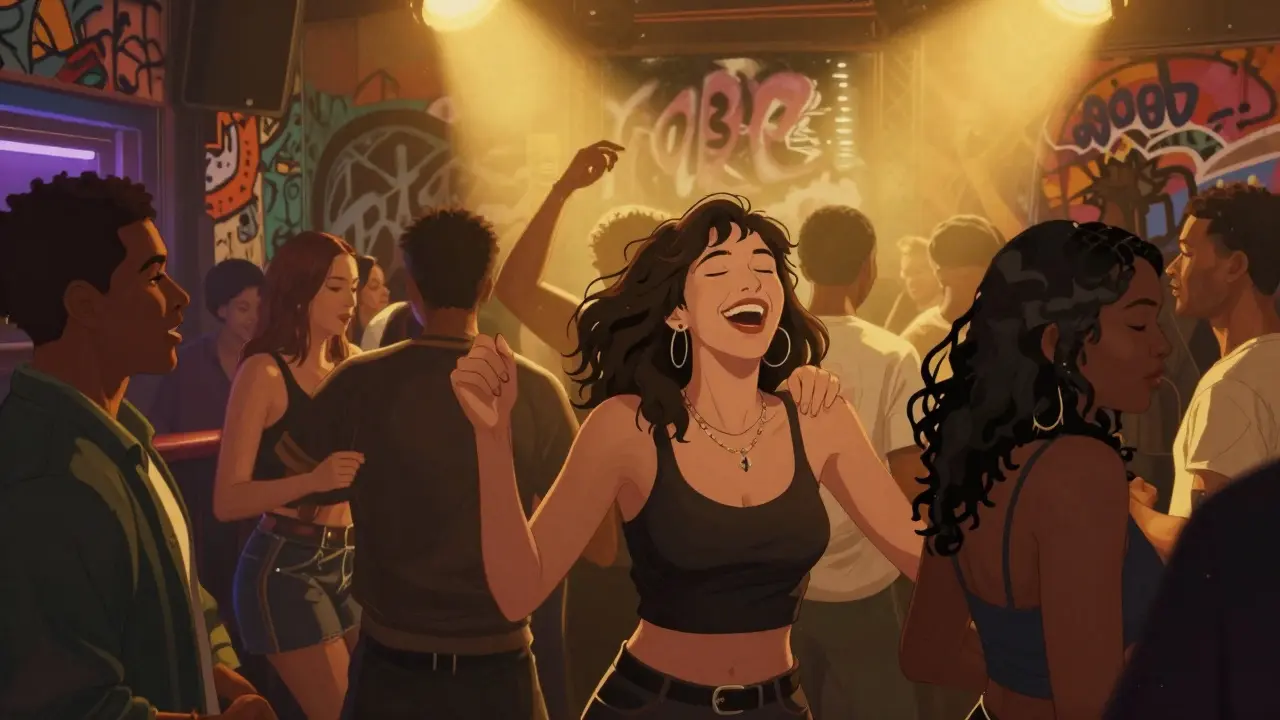
What to Expect When You Go
First time? Here’s what actually happens:
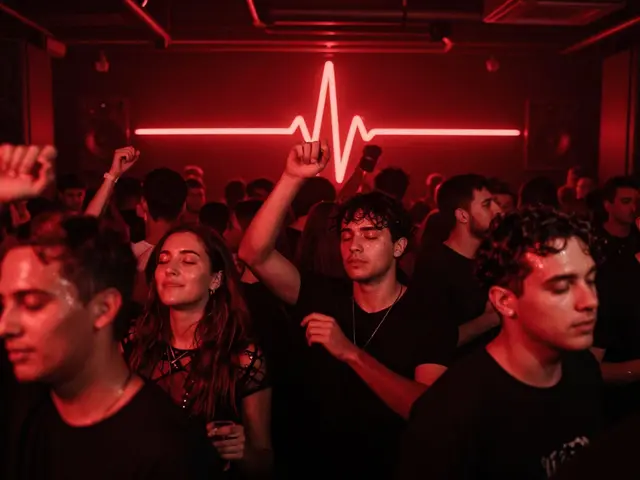
- You walk in and the bass hits you before you see the lights. Your chest vibrates. Your pulse syncs.
- You don’t know anyone. That’s fine. No one expects you to. People are there to let go, not to network.
- At first, you feel awkward. Then, you find a rhythm. Maybe you dance alone. Maybe you bump into someone and laugh. Maybe you just stand near the speakers and close your eyes.
- By 1 a.m., you’re not thinking about tomorrow’s meeting. You’re thinking about how good it feels to move.
- You leave tired, sweaty, and strangely calm. Your mind is quiet.
That’s the magic. It’s not about the drinks. It’s not about the people you meet. It’s about the space between thoughts-and how music fills it.
How to Find the Right Clubs in London
London has over 120 clubs that host music-focused nights aimed at mental release, not just partying. Here’s how to find them:
- Follow local DJs on Instagram. Look for ones who post about sound baths, deep house, or meditative techno.
- Check out Time Out London’s weekly club guide. They label nights by vibe: "chill," "healing," "soulful."
- Try Body & Soul in Dalston-every Saturday. It’s not a club. It’s a sanctuary. People come to dance, not to be seen.
- Join Facebook groups like "London Underground Dance" or "London Silent Disco Lovers." These are low-pressure spaces where people share events they love.
- Go on a weekday. Clubs are quieter, cheaper, and more intentional. Tuesday and Wednesday nights are gold.
Safety First: How to Club Responsibly
Clubbing can be healing-but only if you stay safe.
- Hydrate. Water is your best friend. Bring a small bottle or buy one at the bar. Alcohol dehydrates. Dehydration worsens anxiety.
- Know your limit. One or two drinks max. If you’re using alcohol to escape, you’re not healing-you’re numbing.
- Stick with a buddy. Even if you go alone, text someone when you arrive. Let them know your plan.
- Leave when you’re done. Don’t stay until you’re exhausted or disoriented. Your mental health benefits fade when you crash.
- Trust your gut. If a space feels off-too loud, too crowded, too aggressive-leave. You don’t owe anyone a night.
When Clubbing Might Hurt More Than Help
It’s not for everyone. And that’s okay.
If you have:
- Severe social anxiety that flares in crowds
- A history of substance use disorder
- Chronic insomnia (clubbing after midnight can wreck sleep cycles)
- Or you just feel worse after going out
Then clubbing isn’t the right tool for you. That doesn’t mean you’re broken. It just means your brain needs something quieter.
Try sound baths in Camden. Or silent disco walks in Greenwich Park. Or even home dance parties with headphones and dim lights. Healing doesn’t have to happen in a club.
Frequently Asked Questions
Is clubbing good for depression?
Clubbing isn’t a cure for depression, but it can be a helpful tool. The combination of movement, music, and social presence can lift mood temporarily. For some, it’s the first time in weeks they’ve felt energized. But if you’re struggling with depression, pair clubbing with therapy or counseling-not as a replacement.
Can you get addicted to clubbing for mental health?
Yes-if you start relying on it to avoid dealing with emotions. Healthy clubbing is about release. Unhealthy clubbing is about escape. If you feel anxious when you can’t go out, or if you skip work or sleep to party, it’s time to reassess. Balance matters.
Do I need to dance to benefit?
No. Just being in the space helps. Standing near the speakers, closing your eyes, letting the rhythm move through you-this is called "passive dancing." Many people find this more powerful than moving their body. Your brain doesn’t care if your feet are moving-it cares if your mind is quiet.
Why do I feel so tired after a club night?
You’re not tired because you danced. You’re tired because you released. Your nervous system was stuck on high alert for days or weeks. The club gave you permission to shut down. That’s a deep reset. It’s normal to feel drained afterward. Rest is part of the healing.
Are there clubs in London that don’t serve alcohol?
Yes. Places like The Social in Camden and Sound Sanctuary in Peckham host alcohol-free nights with live soundscapes, meditation DJs, and zero pressure to drink. These are growing in popularity-especially among people using nightlife for mental wellness.
Final Thought: You Deserve to Feel Alive
Life in London moves fast. Jobs demand more. Phones never stop. Relationships get complicated. And somewhere along the way, you forgot what it feels like to just… be.
Clubbing doesn’t fix your life. But for a few hours, it lets you forget you need fixing. The music doesn’t care about your résumé. The crowd doesn’t judge your mood. The night doesn’t ask you to be anything but present.
If you’ve been holding your breath for too long-maybe it’s time to let the beat take over. Not every night out is a party. Some are just quiet, loud, and healing.


2 Comments
Clubbing helps mental health? Sure. If you're 22 and still think 'vibes' are a therapeutic modality. This isn't science. It's a Yelp review written by someone who hasn't slept since 2019./p>
Look, I get it. You wanna feel alive. But let’s not romanticize chaos. Dancing doesn’t lower cortisol - consistent sleep, therapy, and not drinking 6 shots in 20 minutes do. And calling Fabric a 'pressure valve'? Bro, it’s a warehouse with a sound system. Don’t turn nightlife into a self-help cult./p>