
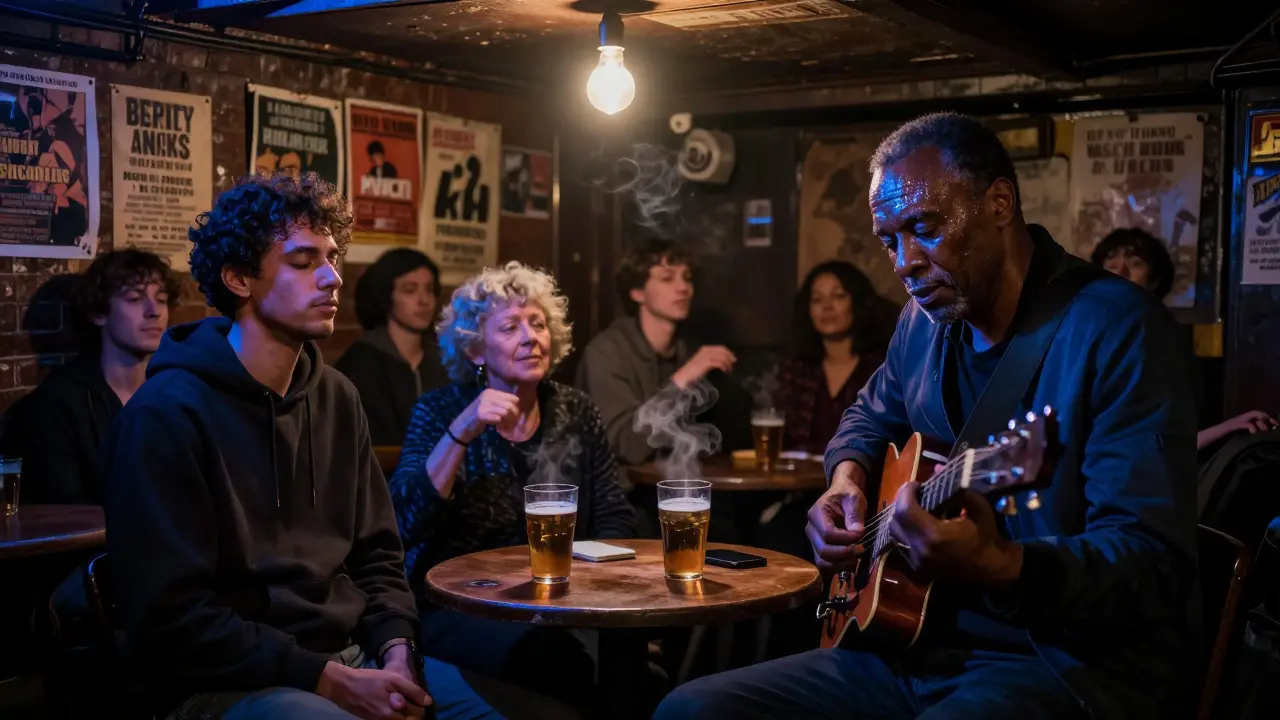
You know that feeling when the sun goes down and the city starts humming? Not the kind of hum from traffic or construction - but the deep, steady pulse of bass leaking from alleyways, the squeal of a guitar solo cutting through the fog, the roar of a crowd cheering like they’ve been waiting all week for this one song. That’s London at night. And if you’re looking for where music really shines, you’re not just chasing a party. You’re chasing a feeling.
Key Takeaways
- London’s nightlife isn’t just clubs - it’s hidden jazz cellars, underground techno warehouses, and historic pubs that still host live blues on Tuesdays.
- The best music experiences aren’t always the most famous. Some of the most unforgettable nights happen in places you won’t find on tourist maps.
- Music genres here don’t stay in boxes. A reggae night might bleed into a hip-hop set, then morph into a punk cover band by 2 a.m.
- Age doesn’t matter. You’ll see 18-year-olds dancing beside 60-year-olds who still remember when Bowie played Camden.
- Getting in isn’t always about dress codes - it’s about timing, vibe, and knowing when to show up.
Why London’s Music Scene Is Different
Most cities have nightlife. London has music in its bones. It’s not just about venues - it’s about history. This is the city where The Rolling Stones played their first gig in a basement, where Amy Winehouse found her voice in a tiny pub in Islington, and where grime was born in a council flat in Bow.
You can walk into a pub in Soho and hear a 70-year-old bluesman playing slide guitar with the same passion he had in 1972. Or you can find a warehouse in Peckham where a 22-year-old producer drops a new track that no one’s heard outside this room - yet.
There’s no single ‘London nightlife.’ There are dozens of them. Each neighborhood has its own rhythm. Camden thrives on rebellion. Brixton pulses with Afrobeat and dancehall. Shoreditch thrives on electronic experiments. The City (yes, the financial district) turns into a jazz hotspot after work hours. And in East London, you’ll find secret gigs in disused churches that only get posted on Instagram stories at midnight.
Where the Music Actually Happens
Forget the big names for a second. Yes, Fabric and Ministry of Sound are iconic. But if you want to feel the real pulse of London’s music scene, you need to go deeper.
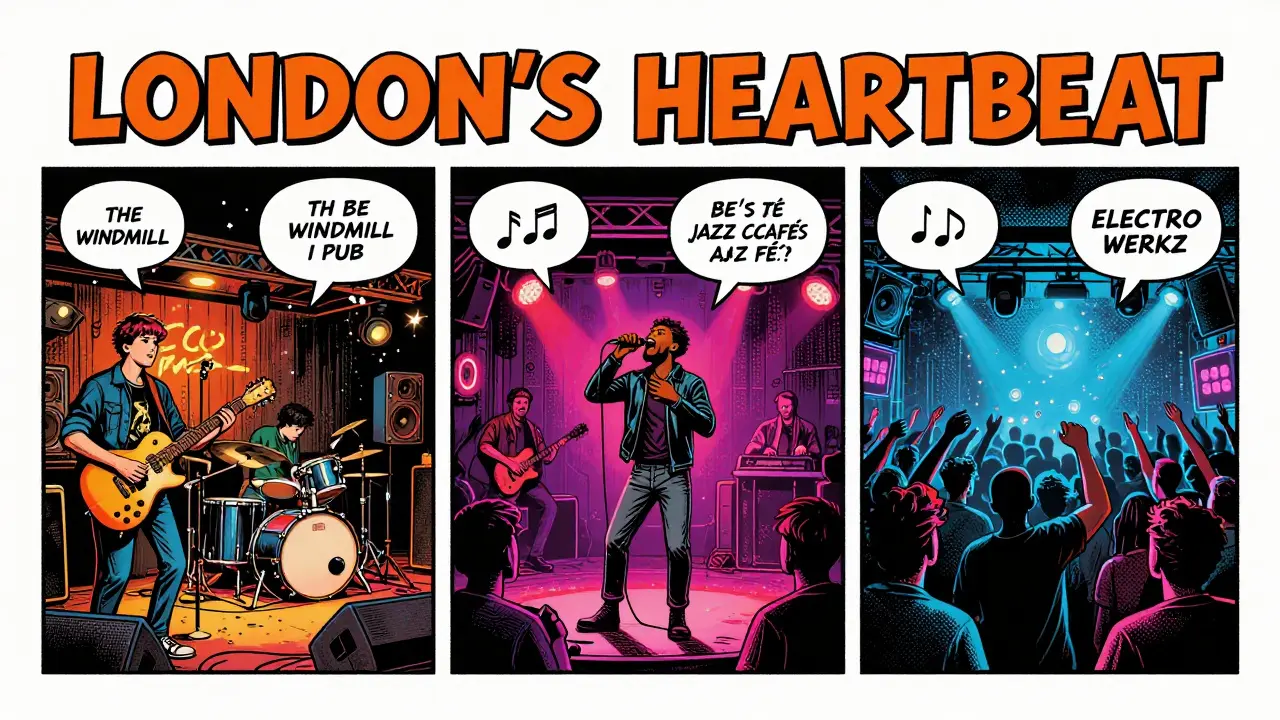
- The Jazz Café (Camden): This place doesn’t just host jazz. It’s where you’ll catch soul singers from Lagos, funk bands from Brooklyn, and local poets turning spoken word into rhythm. It’s small, loud, and never quiet.
- The Windmill (Brixton): A tiny, damp, brick-walled pub that’s been the launchpad for Arctic Monkeys, Adele, and dozens of bands you’ve never heard of. Entry is £3. The sound system is jury-rigged. The crowd is wild. It’s perfect.
- Rich Mix (Shoreditch): A cultural hub where you’ll find everything from Turkish dubstep to Indian classical fusion. The dance floor is always full, and the staff know your name by the third visit.
- The Half Moon (Putney): A 19th-century pub where The Who, Pink Floyd, and David Bowie played before they were famous. Still holds live gigs every weekend. No fancy lights. Just good music, cheap pints, and a crowd that sings along like they wrote the songs.
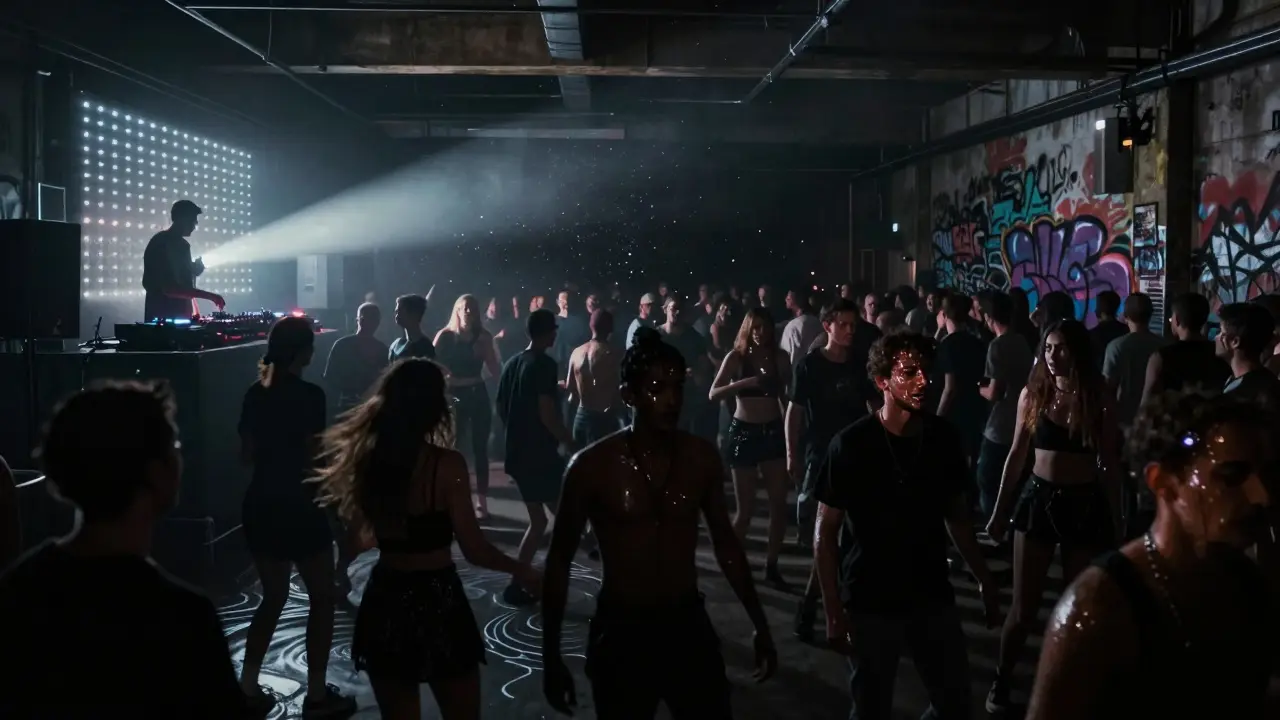
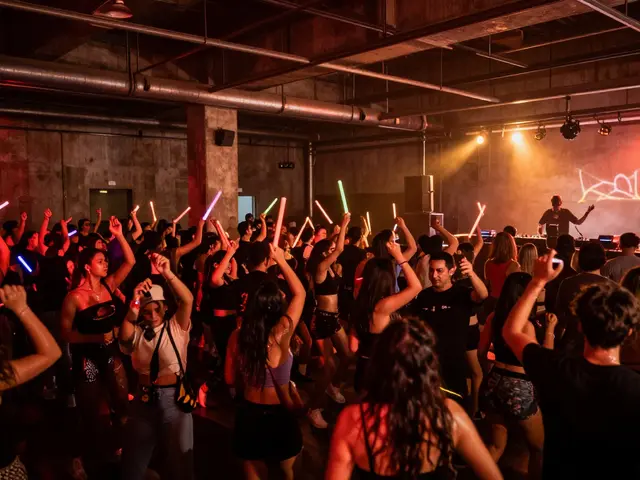
- Electrowerkz (Islington): A converted waterworks building that turns into a techno temple on weekends. No VIP tables. No bottle service. Just 800 people moving as one, lights off, bass so deep you feel it in your ribs.
And don’t sleep on the pubs. Seriously. A place like The Old Blue Last in Shoreditch might look like a regular pub. But on Thursday nights, it’s a punk rock dive with bands you’ve never heard of, screaming into mics while someone’s dog sleeps under the bar.
What You’ll Actually Experience
Let’s say you walk into one of these places on a Friday night. You’re not just going to hear music. You’re going to feel it.
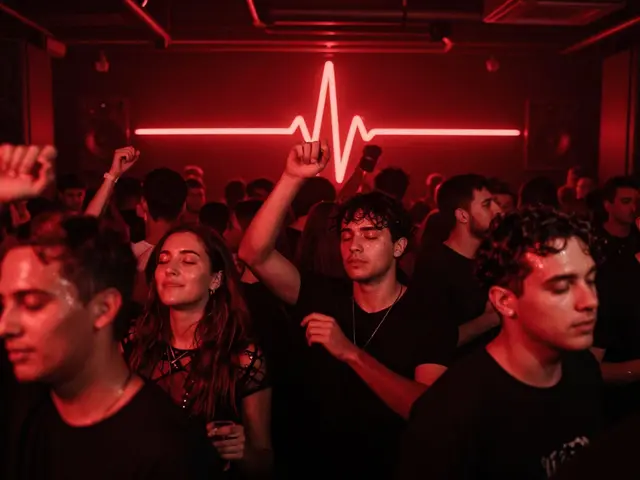
You’ll see a guy in a hoodie dancing alone in the corner, eyes closed, totally lost in the beat. A group of friends shouting lyrics back at the stage like they’re part of the band. A 70-year-old woman in heels, swaying to a reggae set like she’s back in Jamaica in 1978.
The air smells like damp wool, stale beer, and sweat. The lights are low. The sound isn’t perfect - sometimes the bass is too loud, sometimes the vocals crack. But that’s the point. It’s real. No auto-tune. No pre-recorded tracks. Just people playing music because they have to.
And you’ll notice something else: no one’s checking their phone. Not for long, anyway. Everyone’s in the moment. That’s rare. That’s London.
When to Go (And When to Skip)
Timing matters more than you think.
- Monday-Wednesday: Best for intimate gigs, jazz, and experimental sets. Fewer crowds. Better chance to talk to the musicians after the show.
- Thursday: The hidden gem. Many venues start their weekend early. You’ll catch new bands before they blow up.
- Friday-Saturday: Peak energy. But also peak crowds. If you want to get into Fabric or Electrowerkz, show up before 11 p.m. After that, lines stretch out the door.
- Sunday: Don’t sleep on it. Jazz brunches, soul records, acoustic sets. It’s peaceful. It’s beautiful. And you’ll have the whole room to yourself.
Pro tip: If you’re going to a popular club, don’t just show up. Check their Instagram. Many indie venues don’t even have websites. They post setlists, door times, and cover charges right there. A post at 6 p.m. on Friday? That’s your signal.
What to Wear (And What Not To)
There’s no dress code in most places - except maybe one: don’t be boring.
You don’t need a suit. You don’t need designer jeans. You just need to look like you care. A leather jacket. A vintage band tee. Bright socks. A hat. Something that says, “I’m here for the music, not the photo op.”
Some places still have “no trainers” rules - but they’re fading fast. If you’re going to a high-end venue like The Roundhouse or O2 Academy, smart casual is fine. But if you’re heading to The Windmill? Flip-flops are fine. So are combat boots. So is pajama pants if you’re feeling it.
Bottom line: Comfort matters more than style. You’re going to be dancing for hours. Your feet will thank you.
Pricing: What You’ll Actually Pay
London music venues don’t all charge the same.
| Venue Type | Cover Charge | Drink Prices | Best For |
|---|---|---|---|
| Small Pub / Underground (e.g., The Windmill) | £0-£5 | £5-£7 (pint) | New bands, raw energy |
| Mid-Sized Club (e.g., The Jazz Café) | £8-£15 | £8-£12 (cocktail) | Genre diversity, great sound |
| Large Club (e.g., Fabric, Electrowerkz) | £15-£25 | £10-£15 (drink) | Big names, all-night sets |
| Free Gig (e.g., Sunday Jazz at The Half Moon) | £0 | £5-£8 (pint) | Low-key, local talent |
And here’s the secret: many gigs are free. Especially on Sundays and weekdays. Check London Live or Time Out London - they list free gigs every week. You’ll be surprised how many great artists play for nothing but a crowd.
How to Find the Hidden Gems
You won’t find the best spots on Google Maps. You’ll find them through word of mouth.
- Follow local music bloggers on Instagram. People like @londonlivegigs or @undergroundlondon post setlists 24 hours before doors open.
- Ask the bar staff. Seriously. They know who’s playing next week. They’ll point you to a basement in Hackney you didn’t even know existed.
- Join Facebook groups like “London Underground Music Scene” or “London Gig Hunters.” People post last-minute invites, free tickets, and secret locations.
- Walk around neighborhoods after 8 p.m. If you hear music leaking out of a side door? Go in. Nine times out of ten, it’s better than the club down the road.
What to Avoid
Not every night out goes well. Here’s what to watch out for:
- Overpriced clubs with no music: Some places charge £20 just to get in, then play Top 40 hits on loop. Skip them. If it feels like a shopping mall with strobe lights, leave.
- Going alone without a plan: London’s music scene is social. If you show up at 1 a.m. with no idea where to go, you’ll end up in a queue with no one to talk to. Text a friend. Join a group. Show up early.
- Assuming all clubs are the same: A techno club in Shoreditch is not a reggae bar in Brixton. Know the vibe before you go. Don’t show up in heels to a warehouse rave.
FAQ: Your Questions About London Nightlife Answered
Is London nightlife safe at night?
Generally, yes. Most music venues are well-lit, staffed, and monitored. Stick to areas like Camden, Brixton, Shoreditch, and Islington - they’re busy and safe. Avoid walking alone in quiet streets after 2 a.m., especially near train stations. Use Uber or the Night Tube (which runs Friday and Saturday nights). Most venues offer free water and have security on-site. Trust your gut - if something feels off, leave.
Can you go to London music venues alone?
Absolutely. Many people do. In fact, you’ll meet more people going solo than in big groups. The crowd at a small gig is welcoming. People strike up conversations about the music. You might end up with new friends by 1 a.m. Just let someone know where you’re going. And don’t feel pressured to buy drinks - you’re there for the music, not the bar tab.
What’s the best night for live music in London?
Thursday. Most venues start their weekend early, and you’ll catch rising artists before they get too big. Plus, the crowds are smaller, the drinks are cheaper, and the vibe is more relaxed. If you want to see something truly special, go on a Sunday - you’ll find acoustic sets, jazz brunches, and soulful performances that feel like a secret.
Do I need to book tickets in advance?
For big venues like O2 Academy or Roundhouse - yes. For smaller places? Often no. Many pubs and underground spots don’t sell tickets. They just open the door and let people in. Check their social media. If there’s no ticket link, it’s probably first-come, first-served. But if you’re going to a popular band, book ahead. You don’t want to miss out because you waited too long.
Are there music venues open after 3 a.m.?
Yes - but only a few. Fabric, Ministry of Sound, and Electrowerkz often stay open until 5 or 6 a.m. on weekends. Some underground clubs in East London run all night, but they’re hard to find. The key? Look for venues that don’t have a strict closing time. They’ll usually post “until the music stops” on their Instagram. That’s your sign.
Final Thought
London’s nightlife doesn’t need to be loud to be unforgettable. Sometimes, the best night is the one you didn’t plan. The one where you followed the sound of a saxophone down a dark alley and ended up in a room full of strangers singing along to a song you’ve never heard before.
That’s the magic. You don’t need a VIP list. You don’t need to be famous. You just need to show up - and listen.



1 Comments
Just got back from The Windmill last night. £3 entry, a dog sleeping under the bar, and a band that sounded like if The Strokes and a drunk uncle jammed in a garage. Best night in months. No filter. No hype. Just music.
/p>London does this right.