Have you ever walked into a club and felt like the walls were whispering stories? That’s Studio 338. Not just another London nightclub. It’s a living archive of basslines, sweat, and decades of rebellion. If you’ve danced there, you’ve stood on the same floor where acid house first shook the East End, where raves turned into legends, and where the line between party and protest blurred into something unforgettable.
Where It All Began: The Birth of a Legend
Studio 338 didn’t start as a glittering nightclub. In 1994, it was a derelict warehouse tucked behind a bus depot in Shoreditch - a forgotten corner of East London, where the only lights came from flickering streetlamps and the occasional police siren. The building had once been a printing press, then a warehouse for old radios. By the mid-90s, it was empty. But not for long.
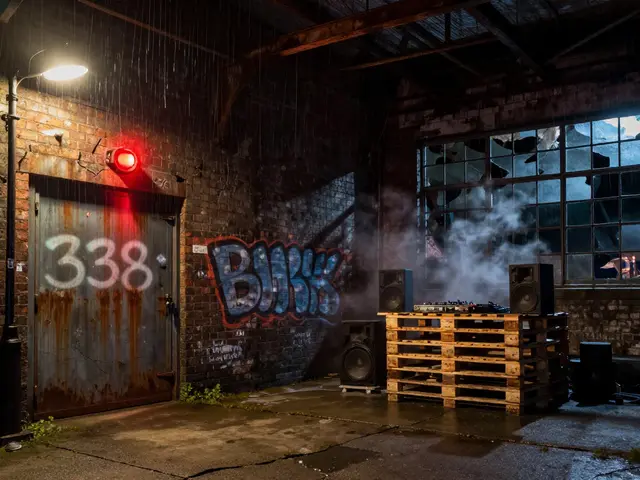
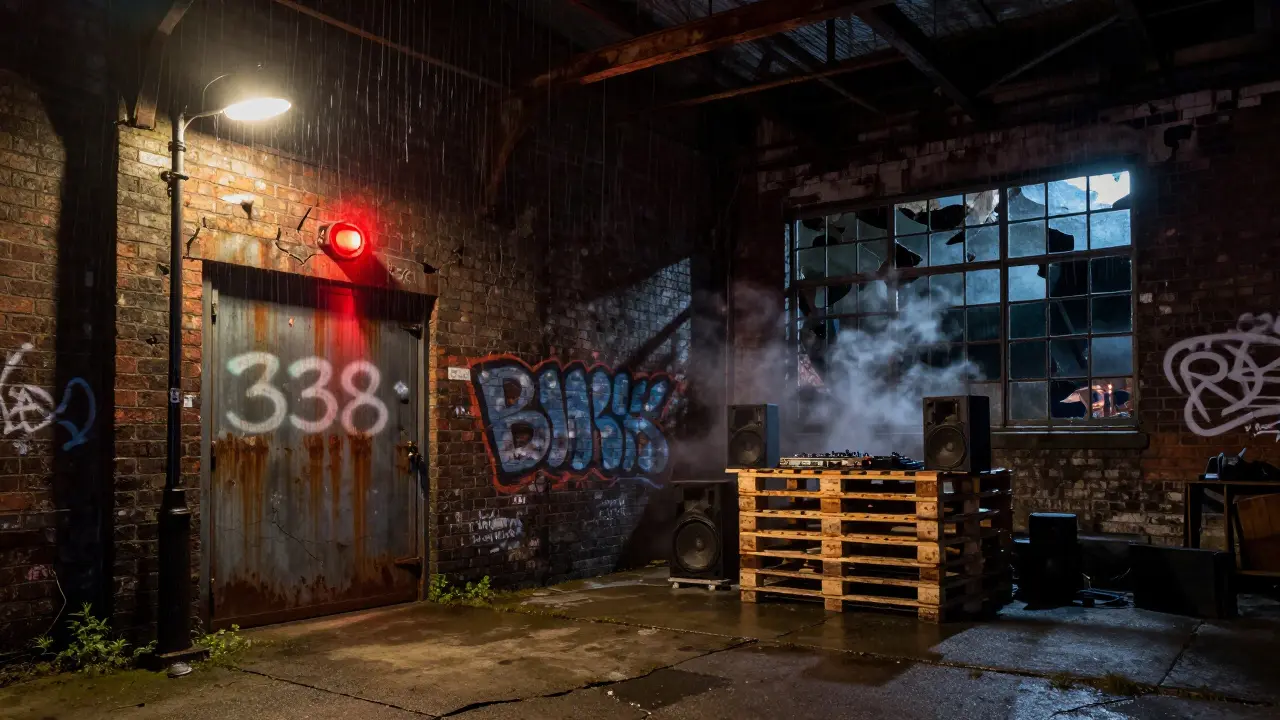
Two brothers, Nick and Mark, had been throwing illegal parties in abandoned buildings since their teens. They’d seen how the rave scene was dying in the suburbs, crushed by crackdowns and over-commercialization. So they took over the old printing factory at 338 Kingsland High Street. No permits. No fancy decor. Just a sound system they’d built from salvaged speakers, a DJ booth made of pallets, and a single red light above the door.
They called it Studio 338 - not because it was a studio, but because 338 was the address. And that address became a beacon. The first night, 80 people showed up. By the third, it was 500. Word spread like wildfire: if you wanted real underground music - techno, trance, hardcore - this was the place.
The 2000s: From Underground to Icon
By 2003, Studio 338 had outgrown its DIY roots. The council had noticed. So had the press. A BBC documentary titled ‘London’s Last Rave’ featured Studio 338, calling it “the last bastion of unregulated club culture.” Suddenly, it wasn’t just locals. Tourists came. Artists. Musicians. Even a few celebrities, slipping in through the back door.
That’s when the transformation began. The brothers didn’t sell out. They evolved. They got a license. They installed proper lighting. They hired a sound engineer who’d worked with Aphex Twin. But they kept the soul: no VIP sections, no cover charge before midnight, and the rule that every DJ had to play at least one track from their personal collection - no pre-made sets allowed.
By 2007, Studio 338 was listed in Time Out London’s “Top 10 Clubs in the World.” Not because it was fancy. But because it was honest. You could hear the bass in your chest. You could smell the damp concrete and stale beer. And you could stay until 8 a.m. without being asked to leave.
The Fire of 2012: When the Lights Went Out
Then came the fire.
In October 2012, an electrical fault in the old wiring sparked a blaze that gutted the main dance floor. Firefighters arrived in 12 minutes. The building was saved - barely. But the sound system? Gone. The stage? Charred. The archives of flyers, tickets, and handwritten setlists? Burned.
People thought it was over. The press wrote obituaries. “The end of an era,” one headline read.
But the community didn’t accept it. Within 72 hours, over 2,000 people signed a petition to rebuild. A crowdfunding campaign raised £180,000 in three weeks. Local DJs donated sets. A German manufacturer sent a new sound system for free - “Because Studio 338 kept our scene alive,” they wrote.
It reopened six months later. The new floor was poured with concrete mixed with crushed brick from the original building. The old red light? Still above the door.
Modern Studio 338: Culture, Not Just a Club
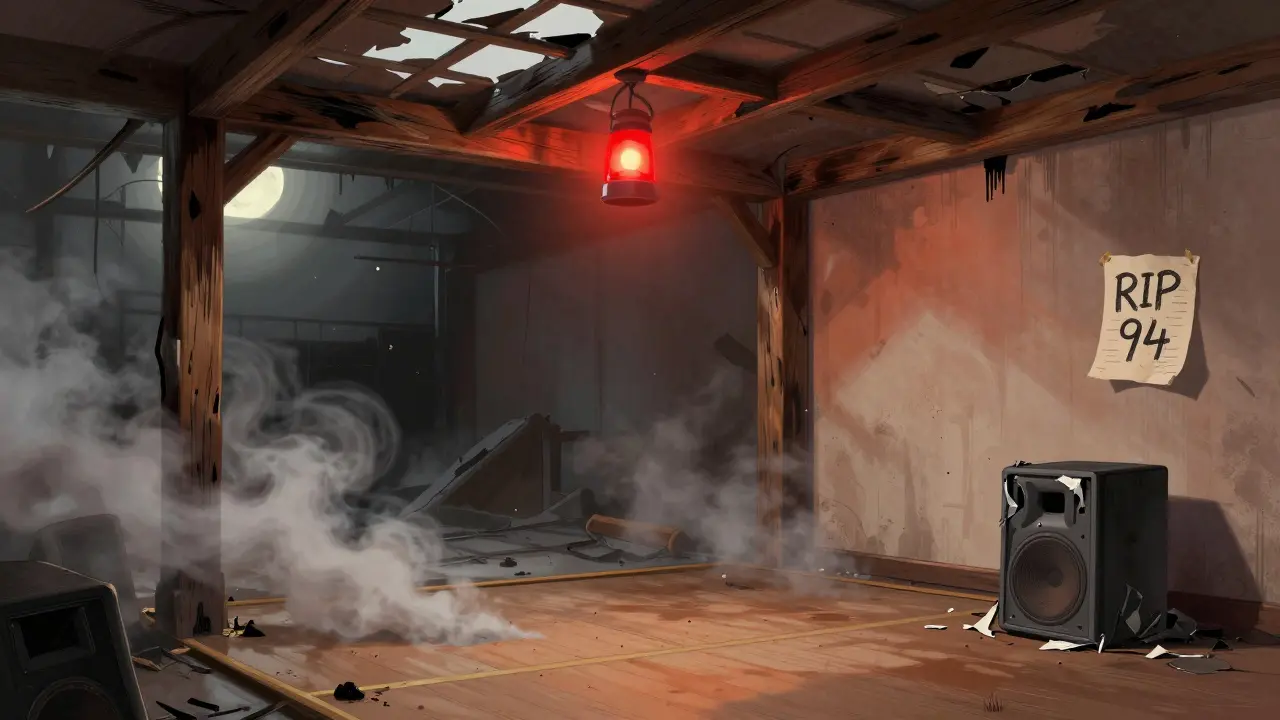
Today, Studio 338 is more than a venue. It’s a cultural institution. The walls still show the scars - patches of brick, faded graffiti from 2001, even a corner where someone carved “RIP 94” in 1997. It’s preserved, not erased.
The music? Still raw. Still loud. Still unpredictable. You’ll hear a 1998 trance anthem followed by a 2025 experimental bass track. The DJs? Most are local - students, ex-bakers, ex-teachers - who started here and never left. The crowd? A mix of 18-year-olds on their first night out and 50-year-olds who’ve been coming since the warehouse days.
They don’t have bottle service. No velvet ropes. No branded cocktails. Just beer, cider, and £3 shots of vodka. The bar is manned by volunteers on weekends. The lighting? Still mostly red. Because sometimes, the simplest things last the longest.
Why Studio 338 Still Matters
Why does this matter to you? Because Studio 338 proves something rare: you don’t need money to create magic. You need community.
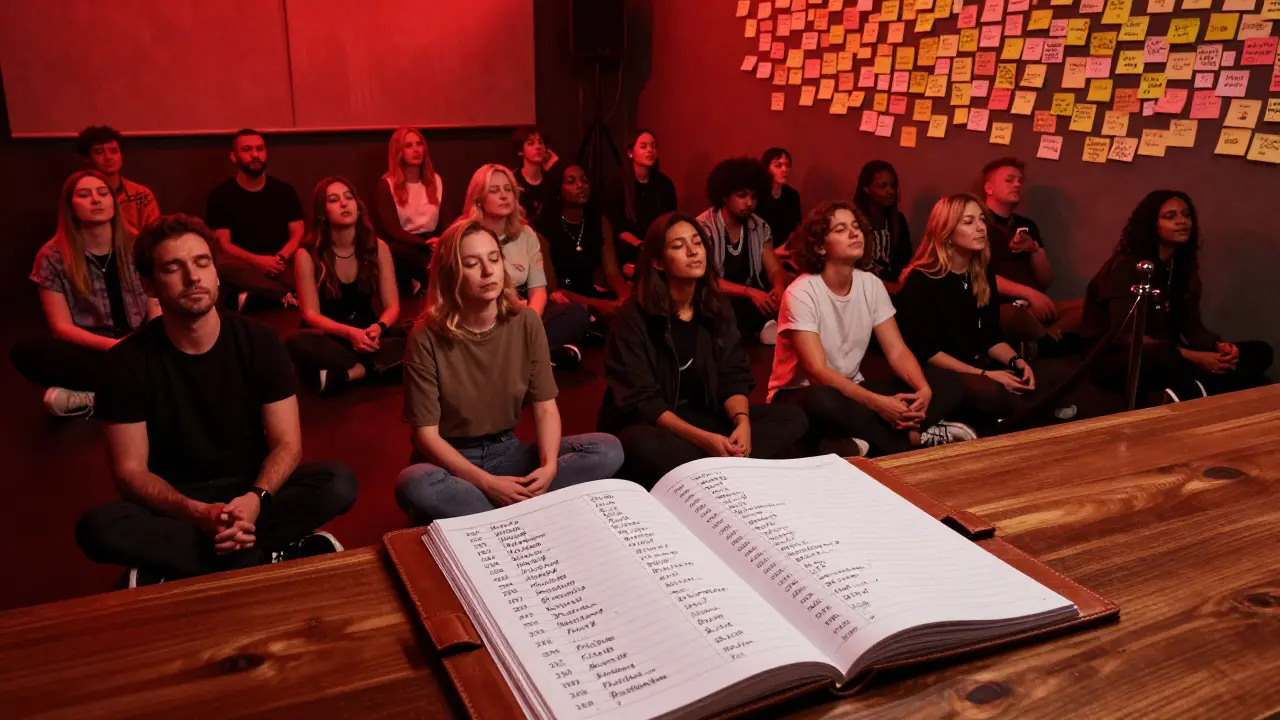
Most clubs chase trends. Studio 338 creates them. It’s the only club in London that still keeps a physical archive of every DJ who’s played there - over 1,200 names, handwritten in a leather-bound book behind the bar. You can flip through it. See who played on New Year’s 2005. Who dropped the first UK techno track in 2009. Who came back after moving to Berlin.
It’s also one of the few places in London that still hosts “unplugged” sessions - no lights, no visuals, just music and silence. People sit on the floor. Some cry. Others just breathe. It’s not a party. It’s a ritual.
What to Expect When You Go
If you’re thinking of going, here’s what you’ll find:
- Music that changes every hour - no genre is off-limits
- DJs who don’t use laptops - most play vinyl or CDJs they’ve owned since the 90s
- No dress code. Jeans, suits, or pajamas - all welcome
- Doors open at 10 p.m., last entry at 2 a.m., and the lights don’t come on until 8 a.m.
- A wall near the toilets covered in handwritten notes from visitors: “This saved my life,” “Met my wife here,” “I came back after my dad died.”
Studio 338 vs. Other London Clubs
Let’s be clear: Studio 338 isn’t like Fabric. Or Ministry of Sound. Or even The Cross.
| Feature | Studio 338 | Fabric | Ministry of Sound |
|---|---|---|---|
| Founded | 1994 | 1999 | 1991 |
| Capacity | 1,200 | 1,800 | 3,500 |
| Music Focus | Techno, Trance, Hardcore, Experimental | Techno, House | House, Pop, Commercial |
| Entry Policy | No cover before 12 a.m., no VIP | Strict door policy, VIP tables | High cover charge, bottle service |
| Archives | Handwritten DJ log since 1994 | None | Digital playlist only |
| Owner | Local brothers, not a corporation | Corporate group | Corporate group |
FAQ: Your Questions About Studio 338 Answered
Is Studio 338 still open?
Yes. It’s open every Friday and Saturday night, plus select Wednesdays for themed nights. The last entry is at 2 a.m., and the lights don’t come on until 8 a.m. - unless someone’s still dancing. Then they wait.
Do I need to book tickets in advance?
Not usually. Tickets are sold at the door. But if there’s a special guest - like a DJ from Berlin or a legendary UK techno artist - they sometimes release 200 advance tickets online. Check their Instagram (@studio338london) for updates. The rest? Just show up.
Can I bring my own drinks?
No. But the drinks are cheap. Beer is £4.50. Cider is £3.50. Vodka shots? £3. They don’t make money on drinks - they make money on atmosphere. And that’s worth more.
Is Studio 338 safe?
Yes. Security is low-key but effective. No bag searches. No ID checks before midnight. But if someone’s causing trouble, they’re out - quietly, without drama. The staff know most regulars by name. And if you’re new? They’ll ask where you’re from. Then they’ll buy you a drink.
What’s the most famous moment in Studio 338’s history?
In 2008, a DJ named DJ Breeze played a 12-hour set of only one track: “The Bells” by The Velvet Underground. No edits. No transitions. Just the same 4-minute loop, repeated. People cried. Some passed out. Others said it changed their life. The track was never played again - and the logbook says “Breeze’s Miracle” next to that night.
Final Thought: It’s Not Just a Club
Studio 338 doesn’t sell tickets. It sells time. Time to lose yourself. Time to connect. Time to remember what music used to feel like - before algorithms, before influencers, before the world got too loud to listen.
If you go, don’t just dance. Look around. Touch the walls. Read the notes. Talk to someone who’s been there since ’94. They’ll tell you it’s not about the music.
It’s about the people who refused to let it die.