
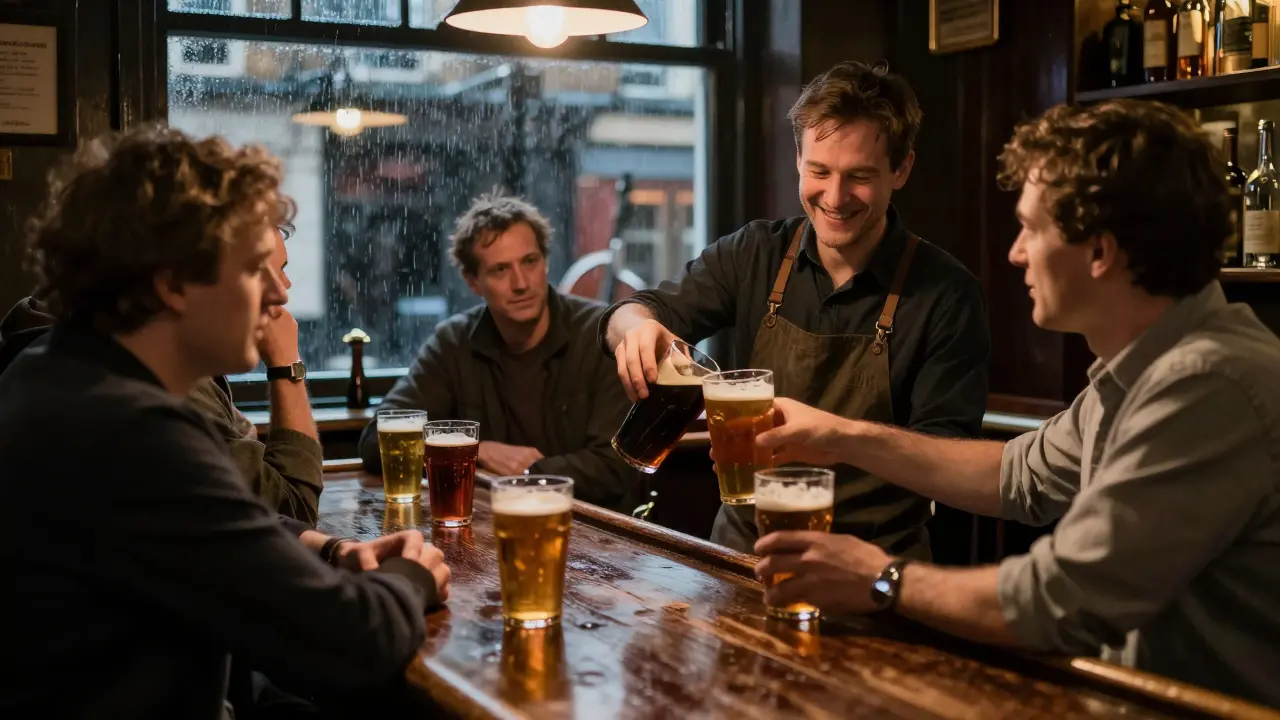
You’ve seen them-after work, on weekends, late Friday nights. People streaming into bars like they’re magnets. Coffee shops get quiet after 8 p.m. But bars? They hum. Lights dim. Glasses clink. Laughter rises above music. And you wonder: what is the appeal of going to bars? Is it just the alcohol? Or is there something deeper pulling people in-something even the most sober among us can’t ignore?
It’s Not About the Drink
Let’s get this out of the way: most people don’t go to bars because they need a drink. Sure, you might order a gin and tonic or a pint of ale. But if all you wanted was the alcohol, you could buy a six-pack, open the window, and call it a night. So why the hassle? Why the dress-up? Why the walk across town?
Because bars aren’t about the liquid. They’re about the space.
Think of it like a third place-not home, not work, but somewhere in between where you can just be. A place where you don’t have to perform. No emails. No chores. No pressure to be productive. Just you, a stool, and maybe someone who remembers your name.
Human Connection in a Digital Age
We live in a world where we’re more connected than ever-and lonelier than ever. Your phone buzzes with notifications. You’ve got 300 LinkedIn connections. But how many people do you actually talk to-really talk to-without scrolling?
Bars force presence. You can’t text your way through a conversation when someone’s leaning across the counter asking, “How was your week?” You have to look up. You have to respond. You have to listen.
Studies show that face-to-face interaction releases oxytocin-the bonding hormone. That’s why you feel warmer after chatting with the bartender for ten minutes. That’s why you remember the guy who sat next to you last Tuesday and now says hi every time you walk in. It’s not magic. It’s biology.
Community, Not Just Crowds
Not all bars are the same. Some feel like clubs. Others feel like living rooms with better lighting.
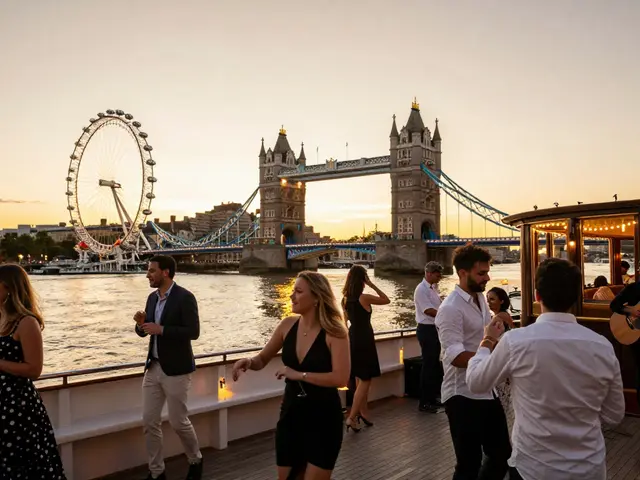
In London, you’ve got places like The Ten Bells in Spitalfields, where regulars have been coming since the 1970s. Or The Harp in Soho, where jazz nights draw musicians and music lovers alike. Then there’s The Blind Pig in Peckham-a tiny spot with mismatched chairs and a no-frills vibe, but the kind of place where strangers become friends by midnight.
These aren’t just venues. They’re communities. People return because they belong. The staff knows their order. The playlist is curated just for them. The noise level? Perfect. Not too loud, not too quiet. Just right for talking without shouting.
The Ritual of Unwinding
What’s your transition ritual after a long day?
Some people go for a run. Others light a candle and put on a podcast. But for many, stepping into a bar is the official signal: work is over.
The act itself-walking through the door, sliding onto a stool, ordering something familiar-is a psychological reset. It’s like hitting a pause button on stress. You’re not checking your calendar anymore. You’re not thinking about tomorrow’s meeting. You’re here. Now.
This ritual works even if you don’t drink. A soda water with lime, a zero-proof mocktail, a hot tea with honey-doesn’t matter. The space does the work.
Escape, But Not Isolation
There’s a difference between hiding and resting. Bars offer the latter.
You don’t have to be the life of the party. You can sit alone with a book. You can eavesdrop on a conversation and feel part of it without joining. You can watch the rain hit the window and not feel guilty for doing nothing.
That’s rare in modern life. Our homes are full of distractions. Our workplaces demand constant output. But in a good bar, silence isn’t awkward. It’s comfortable.
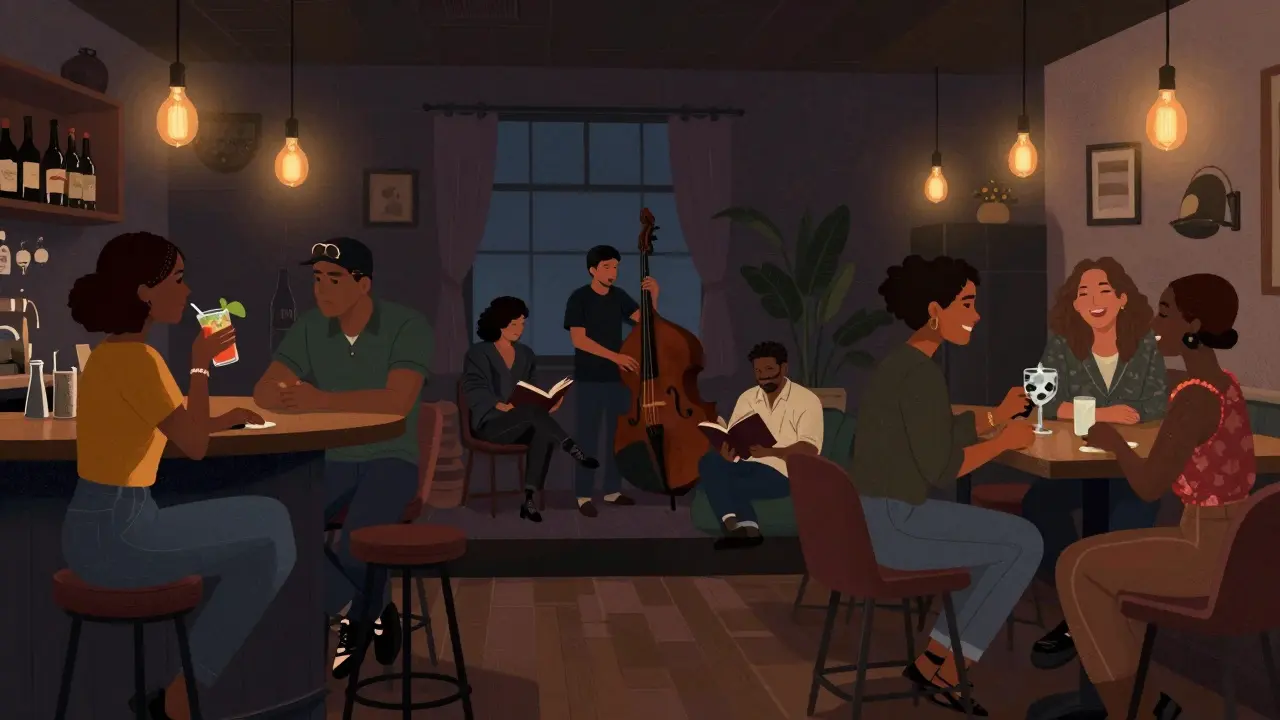
Music, Lighting, and the Unspoken Rules
Ever notice how bars feel different at 7 p.m. versus 11 p.m.?
Early evening: low lights, soft jazz, people in blazers and scarves. Late night: bass thumps, neon glows, laughter louder than the music. The atmosphere shifts-not by accident, but by design.
Bar owners know this. Lighting is dimmed to soften edges. Music is chosen to match the crowd’s energy. Even the shape of the bar counter encourages connection-it’s curved, not straight, so you’re never fully turned away from the person next to you.
And then there are the unspoken rules: don’t stand too close. Don’t interrupt a conversation unless invited. Don’t ask for the Wi-Fi password unless you’ve bought something. These aren’t restrictions. They’re boundaries that make people feel safe.
Bars Are the Original Social Network
Before Instagram, before Tinder, before Zoom happy hours-there were bars.
They’ve always been where relationships start. Business deals get made over whiskey. First dates happen at the corner table. Friendships are forged over shared silence and a round of shots.
In London, you’ll find people meeting for the first time at The Red Lion in Camden, where open mic nights turn strangers into collaborators. Or at The Eagle in Clerkenwell, where writers, artists, and designers gather for weekly poetry readings.
These aren’t just places to drink. They’re incubators for human connection.
What You’ll Find in London Bars Today
London’s bar scene isn’t one thing. It’s dozens of micro-scenes, each with its own rhythm.
- Classic Pubs - Think wooden floors, dartboards, real ales. Perfect for post-work wind-downs. Try The Anchor in Bankside.
- Speakeasies - Hidden behind bookshelves or unmarked doors. Think cocktails with house-made bitters. Try The Connaught Bar or The Blind Pig.
- Neighborhood Bars - No pretense. Just good drinks and regulars. The White Hart in Clapham is a local favorite.
- Themed Bars - Retro, tiki, whiskey lounges, even cat cafés with cocktails. Try The Dog & Fox for a 90s throwback.
- Zero-Proof Bars - No alcohol, all flavor. Try The Spirit Room or The Clink, where non-drinkers get the same attention as drinkers.
There’s a bar for every mood, every need, every version of you.
How to Find the Right One for You
Don’t just pick the closest one. Look for the one that matches your energy.
- Ask a local. Not a tourist. Someone who’s lived in the area for more than a year.
- Go early. 6-7 p.m. is the best time to feel the vibe before it gets loud.
- Notice the crowd. Are people talking? Laughing? Or just staring at their phones?
- Check the music. Is it too loud? Too quiet? Does it feel like it was chosen by someone who actually likes music?
- Look at the barkeep. Are they engaged? Do they seem happy to be there?
The right bar doesn’t shout. It whispers. And you’ll know when you hear it.
What to Expect on Your First Visit
Walk in. The door swings open. A little bell rings. The smell hits you-oak, citrus, roasted coffee, maybe a hint of smoke.
You’re not sure where to stand. The bartender glances over, smiles, and says, “First time?” You nod. He points to a stool. “That one’s got the best view.”
You order. He doesn’t ask for your name. But he remembers it by the third visit.
Someone at the end of the bar asks if you’re trying the new gin. You say yes. They offer you a sip. You return the favor.
Two hours later, you leave. You didn’t get drunk. You didn’t dance. You didn’t post a story.
But you feel lighter.

Pricing and Booking: No Surprises
In London, bar prices vary wildly.
- Pubs: £4-£7 for a pint. £8-£12 for a cocktail.
- Speakeasies: £14-£20 for a crafted drink. Often no booking needed, but arrive early.
- High-end lounges: £18-£25+. May require reservations for weekend nights.
- Zero-proof bars: £10-£16. Often cheaper than alcohol, but just as thoughtful.
Most neighborhood bars don’t take bookings. Walk-ins are welcome. For popular spots like The Connaught Bar or The American Bar at The Savoy, reserve via their website-usually 1-3 days ahead.
Pro tip: Check Happy Hour times. Many bars offer 5-7 p.m. deals on drinks and snacks. It’s the best way to try something new without spending a fortune.
Safety First: How to Enjoy Without Risk
Bars are safe-when you know how to navigate them.
- Always keep your drink in sight. Don’t leave it unattended, even for a minute.
- Use trusted transport. Uber, Bolt, or the Night Tube are reliable after midnight.
- Go with a friend-or at least text someone when you arrive.
- If you’re alone, sit near the bar or by the entrance. Avoid corners.
- Trust your gut. If something feels off, leave. You don’t owe anyone your night.
Most bar staff are trained to spot trouble. Don’t hesitate to ask them for help. They’ve seen it all-and they’ve got your back.
Bars vs. Nightclubs: What’s the Difference?
| Feature | Bar | Nightclub |
|---|---|---|
| Atmosphere | Relaxed, conversational | Loud, energetic, dance-focused |
| Music | Background, curated | Front and center, bass-heavy |
| Price per drink | £4-£20 | £12-£25+ |
| Best for | Chatting, unwinding, meeting new people | Dancing, partying, seeing and being seen |
| Time to arrive | Anytime after 5 p.m. | After 11 p.m. |
| Who goes | Professionals, creatives, locals, solo visitors | Youth, tourists, social butterflies |
| Drinking pace | Slow, sipped | Fast, shots, rounds |
Bars are for connection. Nightclubs are for escape. One helps you feel seen. The other helps you lose yourself.
Frequently Asked Questions
Why do people go to bars if they don’t drink?
Many people go to bars for the atmosphere, not the alcohol. Zero-proof bars are growing fast in London, and even traditional pubs offer great mocktails. The real draw is the human interaction, the lighting, the music, and the feeling of being in a space designed for relaxation-not performance.
Are bars only for young people?
Absolutely not. In London, you’ll find retirees enjoying quiet pints at The Anchor, professionals unwinding after work at The Harp, and grandparents meeting friends for Sunday gin and tonics. Bars cater to all ages-you just have to pick the right one. Neighborhood pubs are especially welcoming to older crowds.
Is it weird to go to a bar alone?
Not at all. In fact, it’s common. Many regulars at London bars are solo visitors. Sitting at the bar is the easiest way to start a conversation if you want one-or to enjoy quiet time if you don’t. Bartenders are trained to make solo guests feel welcome. You’re not odd. You’re normal.
How do I know if a bar is good?
Look for three things: Is the bar clean? Are people actually talking to each other? Do the staff seem happy? A good bar doesn’t need flashy decor. It needs warmth. If the bartender remembers your name after one visit, you’ve found it.
Can I bring my kids to a bar?
Some bars in London are family-friendly during the day-especially pubs with gardens or outdoor seating. But most are adults-only after 6 p.m. Always check ahead. If you’re looking for a place where kids and cocktails coexist, try The Clink or The Spirit Room-they’re designed for inclusivity.
Why do bars feel so calming, even when they’re busy?
Because they’re designed that way. Low lighting reduces stress. Background music lowers cortisol. The layout encourages casual interaction without pressure. Even in a crowded bar, you’re surrounded by people who aren’t expecting anything from you-no deadlines, no judgments. That’s rare. And it’s why people keep coming back.
Final Thought: It’s Not a Place. It’s a Feeling.
What’s the appeal of going to bars?
It’s not the whiskey. It’s not the music. It’s not even the company.
It’s the quiet permission to be human.
To sit. To listen. To laugh without reason. To say nothing and still feel heard.
That’s why, no matter how many apps we download, how many virtual hangouts we join, people still walk into bars at the end of the day.
Because sometimes, you don’t need a reason to go.
You just need to show up.


9 Comments
Bars are third places. Simple. They fill the gap between isolation and performance. No need to overthink it.
/p>People go to bars to escape responsibility. It's not 'human connection'-it's avoidance wrapped in nostalgia. You think lighting and music make you feel safe? That's just corporate manipulation disguised as community. Real connection happens in kitchens, not in overpriced gin slingers with Edison bulbs.
/p>u mean 'barrs'? lol. but seriously, the grammar in this post is flawless. i respect it. also, the part about not leaving your drink unattended? spot on. safety first, folks. no cap.
/p>so true about the bartender remembering your name. i went to this little place in brooklyn last week, ordered a ginger beer, and the dude just said 'hey, you're the one who likes it extra spicy'. made my whole week. bars are the only place where you can be anonymous and known at the same time.
/p>Oh, so now we're romanticizing alcohol-fueled social performance as 'human connection'? How quaint. You know what releases oxytocin? Hugging your dog. Or actually calling your mom. Not some overpriced cocktail in a dimly lit room where the bartender's smile is part of the service package. This whole post reads like a BuzzFeed listicle written by someone who thinks 'atmosphere' is a personality trait. Also, zero-proof bars? Cute. But let's not pretend they're not just Starbucks with better lighting and higher prices.
/p>I love how you mentioned that sitting alone isn’t weird-I’ve done it so many times. Last week I sat at The Red Lion and read a book, and the woman next to me asked if I liked the author. We ended up swapping recommendations for two hours. No drinks, just stories. That’s the magic. Bars aren’t about what’s in the glass-they’re about what’s between people.
/p>Yes!!! This. I go to zero-proof bars all the time and people don’t treat me like I’m odd. I feel seen. 🥰 Also, the music at The Spirit Room is *chef’s kiss*-I’ve made friends just by nodding to the same song. Bars are the last real social spaces we’ve got left.
/p>My ex used to say bars were 'emotional crutches.' I thought she was being dramatic. Then I went to one alone after she left. Didn't order anything. Just sat there. The bartender didn't ask why I was there. Just slid me a glass of water with a lemon. I cried. Quietly. He pretended not to notice. That’s when I knew-some places don't fix you. They just let you be broken without judgment.
/p>One must interrogate the metaphysical underpinnings of the bar as a liminal space. The architecture of the curved counter-does it not reflect the Aristotelian notion of the polis as a site of ethical communion? The dim lighting, a palliative against the glare of modernity's algorithmic gaze. One observes, then participates-not as a consumer, but as a co-creator of ephemeral social epistemology. The zero-proof movement, while laudable, remains a symptom of a deeper ontological crisis: the desire to belong without intoxication. Yet, in this, one finds not weakness, but a new form of stoic resilience.
/p>