
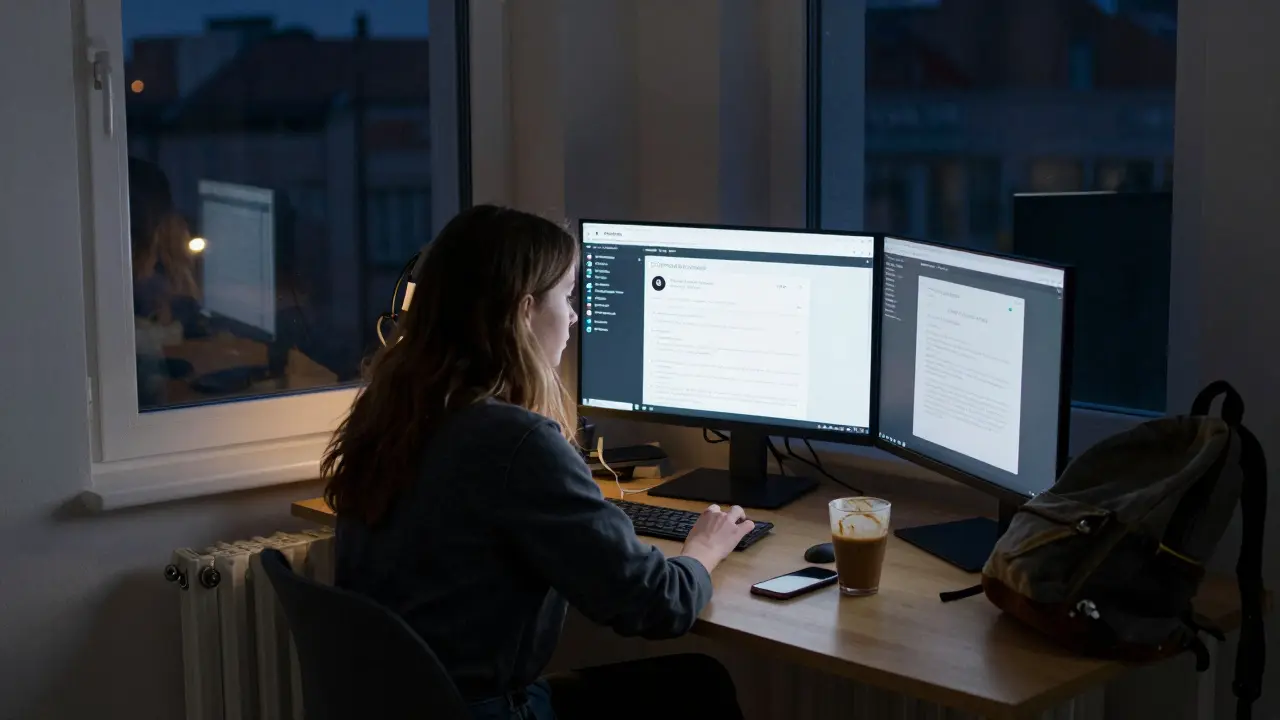
You’ve seen the photos. The glamorous captions. The Instagram stories from cities like Prague, Berlin, or Barcelona-women in designer clothes, smiling beside luxury cars, tagged with #EuroEscort. It looks like a dream. But what’s really going on behind the filter?
What You’re Not Being Told About Euro Escort Trends
Let’s cut through the noise. The idea that escort services in Europe are some kind of glamorous, high-end fantasy is mostly marketing. Yes, some people make good money. Yes, some clients pay thousands for a night out. But the reality? It’s messy, unpredictable, and rarely matches the ads.
Most women working in this space aren’t living in penthouses. They’re renting rooms in shared flats in Berlin’s Neukölln or Budapest’s District VII. They’re juggling multiple apps-OnlyFans, Telegram, local classifieds-trying to stay safe while making rent. And they’re not doing it because they love the lifestyle. They’re doing it because rent is high, jobs are scarce, and the alternatives pay even less.
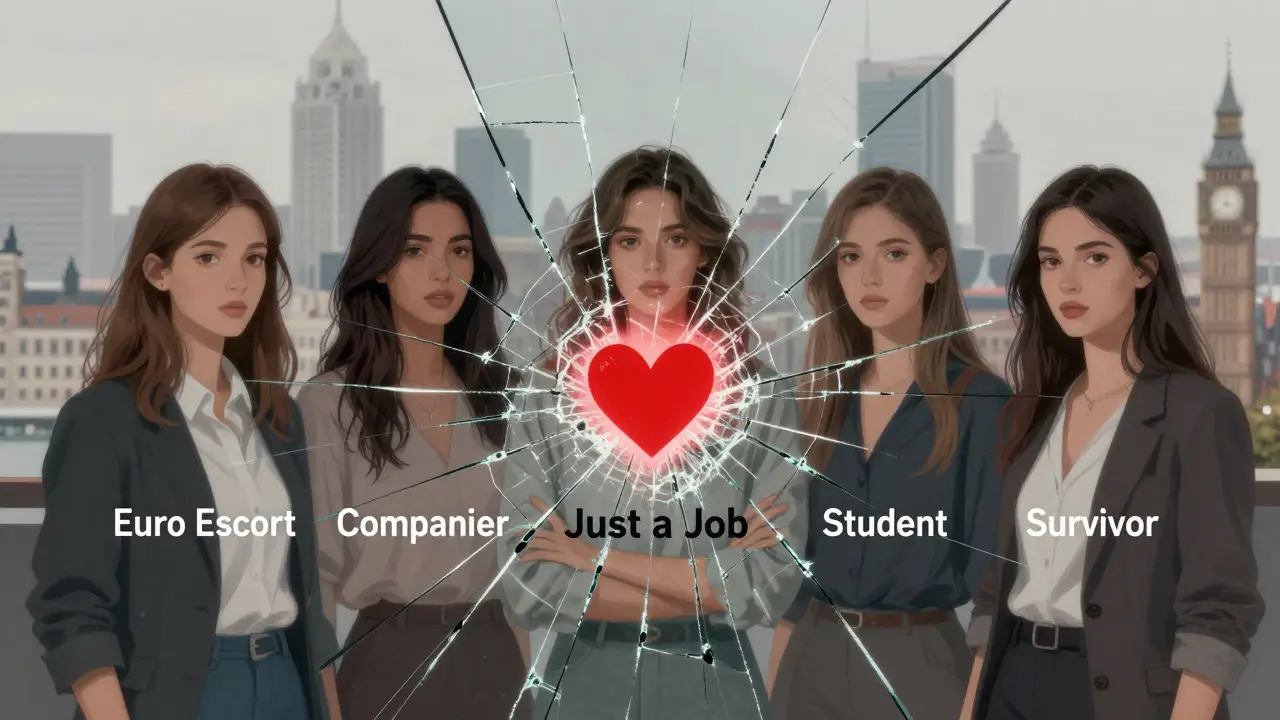
Here’s the truth: the ‘Euro escort’ label isn’t about nationality. It’s a branding tactic. A woman from Poland, Romania, or Ukraine might be marketed as ‘Euro’ because it sounds exotic, upscale, or more ‘reliable’ to foreign clients. It’s not a category. It’s a sales pitch.
Why ‘Euro Escort’ Even Exists as a Term
Before 2020, most escort ads were local. You’d find services in London, Paris, or Amsterdam under plain labels: ‘companionship,’ ‘time together,’ ‘private evenings.’ Then came the algorithms.
Platforms started pushing keywords like ‘luxury,’ ‘elite,’ and ‘Euro’ because they got more clicks. Suddenly, a woman from Minsk could be labeled ‘Euro escort’ and charge 3x more than her neighbor who just said ‘companionship.’ The term didn’t mean anything legally or culturally-it just meant higher revenue.
And it worked. Clients assumed ‘Euro’ meant better English, more sophistication, or higher standards. In reality, it just meant someone had learned how to write a better ad.
Who’s Actually Behind the Screen?
There’s no single profile. You’ll find:
- Students in Vienna working part-time to pay tuition
- Single mothers in Lisbon using extra income to support their kids
- Former models in Budapest who got tired of low-paying gigs
- Women from Eastern Europe who moved for work and found this path after language barriers blocked other jobs
Some are independent. Some work with agencies. A few are trapped in exploitative situations. The industry doesn’t have a uniform structure-it’s a patchwork of individuals, small groups, and shady operators.
And here’s the thing: most of them don’t call themselves ‘Euro escorts.’ That’s the label the clients and the apps give them. They just call themselves ‘workers,’ ‘companions,’ or sometimes, nothing at all.
What You Can Expect If You Book One
If you’re considering hiring someone, here’s what actually happens:
- It’s not a date. Most sessions last 1-3 hours. You get conversation, maybe dinner, maybe intimacy. That’s it.
- There’s no script. No one comes pre-choreographed. The best ones adapt to your mood. The worst ones read from a list of ‘standard services’ they copied from a forum.
- Location matters. Many meet in hotels, short-term rentals, or even their own apartments. Never agree to meet in a place that feels unsafe or isolated.
- Communication is key. If you don’t feel comfortable asking questions upfront, don’t go ahead. Good providers will answer honestly. Bad ones will dodge or vanish.
Some clients expect romance. Others want someone to talk to after a long week. Some just want to feel desired. The service doesn’t care why you’re there-it just wants to be paid fairly and safely.

How to Find Real Services (Not Scams)
Most scams come from Instagram or TikTok. Fake profiles. Stock photos. Promises of ‘VIP access’ or ‘exclusive Euro escorts.’
Here’s how to avoid them:
- Use verified platforms like Backpage alternatives (e.g., local classifieds with user reviews, not social media).
- Look for profiles with multiple photos-not just one perfect shot.
- Check for consistent language. Scammers often copy-paste ads from English blogs, even if they’re not native speakers.
- Ask for a video call before meeting. Real providers will do this. Scammers won’t.
- Never pay in advance. Use cash or encrypted apps like Signal or Telegram to arrange details.
And if something feels off? Trust it. Walk away. No one’s worth your safety.
How Much Does It Actually Cost?
Prices vary wildly. Here’s what you’ll actually pay in 2025:
| City | Low End (per hour) | Mid Range (per hour) | High End (per hour) |
|---|---|---|---|
| Berlin | €80 | €150-200 | €300+ |
| Prague | €60 | €120-180 | €250+ |
| Budapest | €50 | €100-160 | €200+ |
| Barcelona | €100 | €180-250 | €400+ |
| Amsterdam | €120 | €200-300 | €500+ |
| London | €150 | €250-400 | €600+ |
Notice something? The ‘Euro’ label doesn’t guarantee higher prices. Prague and Budapest offer lower rates than London or Amsterdam. The real price driver? Demand, location, and how polished the profile looks-not nationality.
What’s Changing in 2025?
Two big shifts are happening:
- More women are going independent. Thanks to apps like OnlyFans and Patreon, many are cutting out middlemen. They keep more money, control their schedules, and build direct client relationships.
- Regulation is tightening. Cities like Paris and Vienna are cracking down on online advertising. Ads are disappearing from public platforms. That means fewer scams-but also fewer options for clients who don’t know where to look.
And here’s the quiet revolution: more people are starting to see this work as labor-not sin. Advocacy groups in Germany and the Netherlands are pushing for legal recognition, basic protections, and access to healthcare. It’s slow. But it’s happening.
Safety First: What No One Tells You
If you’re a client, here’s what you need to know:
- Never share your real name or workplace. Use a burner email or alias.
- Meet in public first. Even if it’s just coffee. It filters out predators.
- Always tell someone where you’re going. Even if it’s just a friend you text: ‘Heading to the hotel near Hauptbahnhof. Back by 11.’
- Carry cash. No digital payments before the meeting. Scammers disappear after you pay.
- Respect boundaries. If they say no to something, it’s final. No pressure. No guilt.
If you’re a worker? Use a safety app like SafeZone or EscortSafe. They let you share your location in real time and trigger alerts if you don’t check in. Many do. You should too.
Is This Right? Is This Wrong?
People argue about morality. But here’s the thing: this isn’t about right or wrong. It’s about autonomy.
Some women choose this because they can set their own hours, earn more than they would at a café or call center, and work without a boss. Others are forced into it by debt, abuse, or desperation.
The job itself isn’t the problem. The lack of legal protection, the stigma, the exploitation-that’s what needs fixing.
So if you’re reading this because you’re curious? Don’t judge. Don’t romanticize. Just be smart. Be respectful. And if you decide to engage, do it like a human, not a transaction.
Frequently Asked Questions
Are Euro escort services legal in Europe?
Laws vary by country. In Germany and the Netherlands, sex work is legal and regulated. In France and Spain, selling sex isn’t illegal, but advertising or running an agency is. In Eastern Europe, it’s often in a legal gray zone. Always check local laws before engaging.
Do Euro escorts only work in big cities?
No. While most advertising happens in cities like Berlin or Prague, many workers operate in smaller towns or even rural areas. Clients often travel to meet them. The internet makes location less important than it used to be.
Why do so many Euro escorts seem to be from Eastern Europe?
Economic disparity plays a big role. Wages in countries like Ukraine, Romania, or Moldova are significantly lower than in Western Europe. Many women move to earn more, and escort work-despite its risks-is often one of the few options that pays well quickly. It’s not about ethnicity-it’s about opportunity.
Can you build a long-term relationship with an escort?
Some clients do develop emotional connections. But most escorts are clear: they’re not looking for romantic relationships. Any emotional bond is usually temporary and transactional. If you’re seeking love, this isn’t the place to find it.
Is it safe to use apps like Telegram for booking?
Telegram is popular because it’s encrypted and doesn’t store messages long-term. That makes it safer than public forums. But it’s not foolproof. Always verify identities, avoid sharing personal info, and never send money upfront. Use it for communication, not payment.
Final Thought: It’s Not a Fantasy. It’s a Job.
The ‘Euro escort’ trend isn’t about luxury. It’s about survival. It’s about women navigating a broken economy, a stigmatized profession, and a digital world that sells them as products.
If you’re curious? Learn the truth. If you’re considering it? Be smart. If you’re just looking to satisfy a fantasy? Ask yourself: who’s really paying the price?



7 Comments
So let me get this straight-you’re telling me the whole ‘Euro escort’ thing is just a fancy label for women trying to pay rent? Wow. I thought it was like, a Netflix show. Guess I’ve been watching too much reality TV. 😅
/p>Wow. So you’re saying this isn’t glamorous? Groundbreaking. Next you’ll tell me pizza isn’t a vegetable. I mean, if these women are so ‘exploited,’ why don’t they just get a job at Starbucks? Free coffee, no weird clients. Problem solved. 🤷♂️
/p>lol this post is sooo woke. i mean, who even cares if its a brandin tactic? if they make money and its legal, then its fine. also, why do u say 'eastern europe' like its a crime? theyre just poor people trying to survive. also, ur spelling is sus. like, 'sequestial'?? dude. 😂
/p>This is so important to hear... I really appreciate how you broke this down without judgment. So many people see this as ‘dirty’ or ‘shameful,’ but it’s just another kind of labor. These women are working hard, often under awful conditions, and they deserve respect-not stigma. I hope more people read this and start seeing them as people, not pixels on a screen. 💙
/p>Why are all these women from Eastern Europe?? 😒 In India, we have real jobs, not this nonsense! Why don’t they go back home and fix their own countries? 🤦♂️ Also, I’ve seen these girls on Instagram-they look like models! Why lie? 🤨
/p>This is disgusting. You’re normalizing exploitation under the guise of ‘autonomy.’ These women are being commodified, and you’re acting like it’s just another gig economy job. What about the trauma? The mental health? The fact that most of them are trapped? This isn’t empowerment-it’s capitalism at its worst. 🙄
/p>I think the most powerful part of this is how you ended it: ‘It’s not a fantasy. It’s a job.’ That’s it. That’s the whole thing. We need to stop romanticizing or demonizing. These are real people with real lives, making choices under real pressure. If we want to help, we don’t need moral outrage-we need policy, safety nets, and dignity. Simple. Human. Necessary.
/p>