
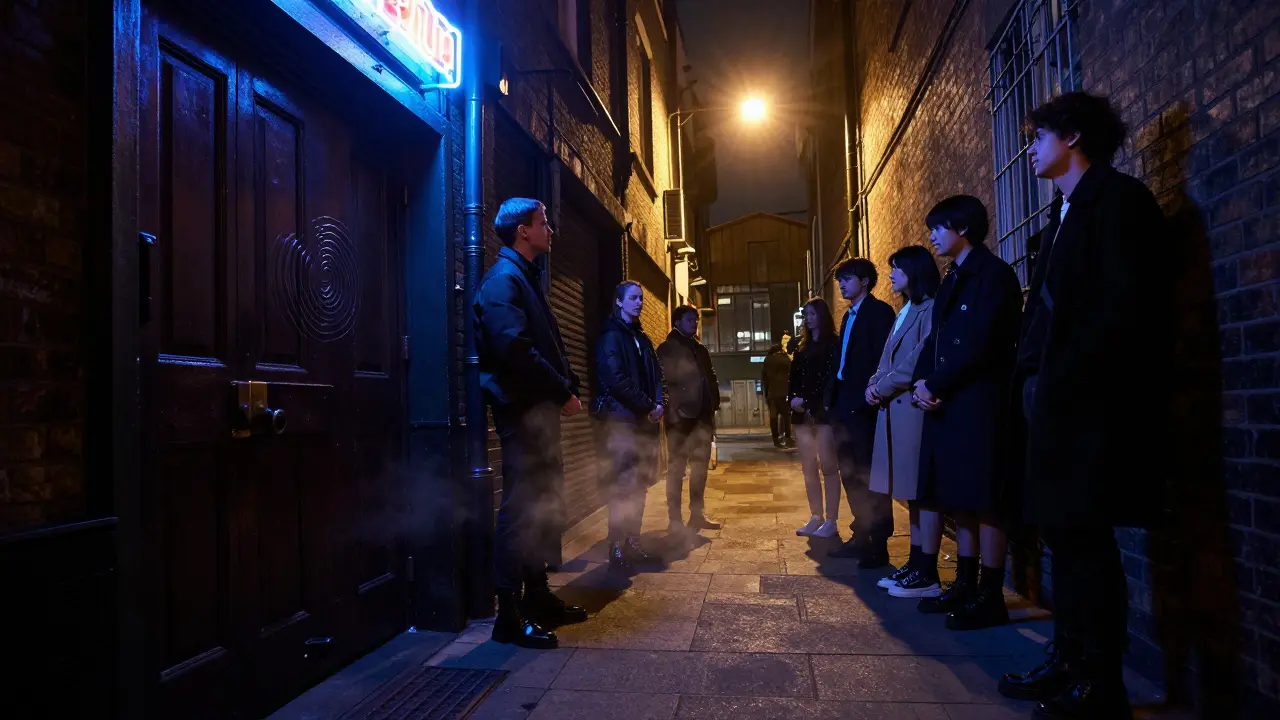
You walk into a dimly lit alley in Shoreditch, the bass thumping through the walls before you even see the door. A bouncer nods you in. Inside, the air is thick with sweat, perfume, and the electric buzz of 500 people moving as one. This isn’t just a night out-it’s a night club London experience that sticks with you long after the last track fades.
What Makes London’s Nightclubs So Different?
London doesn’t just have clubs. It has ecosystems. Each one has its own DNA. Some are tucked under railway arches with industrial ceilings and no sign outside. Others are glass towers in Mayfair with velvet ropes and bottle service that costs more than your rent. The city doesn’t follow trends-it sets them.
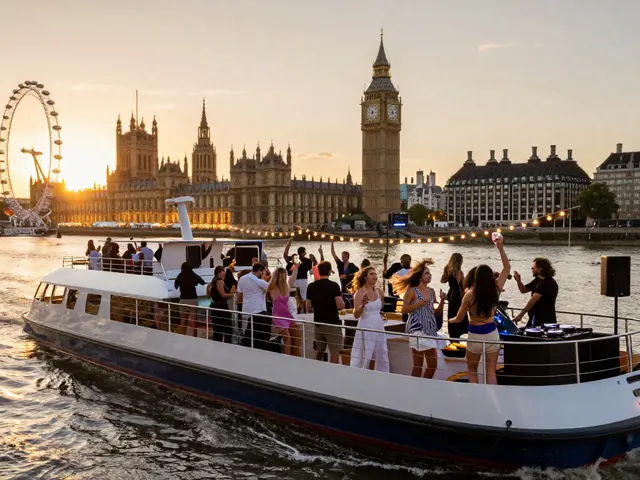
Think about it: in one night, you could be dancing to underground techno in a warehouse in Peckham, then sipping champagne in a rooftop lounge overlooking the Thames, then ending up in a retro 90s rave space in Camden where the DJ still plays Fatboy Slim. No other city in Europe mixes this much variety in one place.
And it’s not just about the music. It’s the crowd. You’ll find artists from Berlin, DJs from Lagos, students from Brighton, and old-school clubbers who’ve been coming since the 90s. Everyone’s here for their own reason-but they all end up in the same sweaty, glowing, loud room.
The Hottest Clubs in London Right Now (2025)
If you’re trying to figure out where to go, here are the five clubs that are dominating the scene this year-not because they’re the biggest, but because they’re the most alive.
- Printworks - Still the king of warehouse parties. This converted printing press in Rotherhithe has 30,000 square feet of raw space, industrial lighting, and a sound system so powerful you feel it in your ribs. They host everything from deep house to experimental techno. No dress code. Just come ready to move.
- The Cross - A hidden gem under a train station in Elephant & Castle. It’s small, dark, and smells like old vinyl and cigarette smoke. The DJs here don’t play playlists-they curate moods. You won’t hear a single pop song. Just hypnotic grooves that pull you in and won’t let go.
- KOKO - A historic venue in Camden that’s been reinvented. The ceiling still has its original stained glass, but now it’s lit with lasers. They book global stars-think Charlotte de Witte, Amelie Lens, or even surprise sets from indie bands that turn into dance parties. The vibe? Glamorous but not pretentious.
- Secret Cinema Presents: The Club - Not a traditional club. It’s an immersive experience. You get a secret location via text, dress according to a theme (think 80s Miami or cyberpunk Tokyo), and dance inside a fully built set. Last month, it was a neon-lit Tokyo subway station with DJs spinning in the middle of fake trains.
- Tramp - The only one on this list that’s not a warehouse or a converted factory. It’s a private members’ club in Mayfair. No photos allowed. No phones on the dance floor. You pay £50 to get in, but you’re not here for the drinks-you’re here for the vibe. It’s where celebrities go when they want to disappear.
What to Expect When You Walk In
Walking into a London club isn’t like walking into a bar. There’s a rhythm to it.
First, the line. Even if you’ve got a reservation, you’ll wait 15 to 30 minutes. That’s normal. The bouncers aren’t being rude-they’re filtering. They’re looking for people who look like they belong. Not rich. Not flashy. Just confident. If you’re dressed like you’re going to a wedding, you’re not getting in. If you’re in ripped jeans, a black tee, and boots? You’re golden.
Inside, the lighting changes every 10 minutes. It’s not random-it’s choreographed. One minute you’re in blue haze, the next you’re under strobes so bright you blink twice. The sound doesn’t just come from speakers-it comes from the floor, the walls, the ceiling. You don’t hear the music. You feel it.
And the drinks? They’re expensive. A vodka soda costs £14. A pint of lager? £12. But here’s the thing: you’re not paying for the drink. You’re paying for the atmosphere. The energy. The chance to be part of something that doesn’t exist anywhere else.
When to Go-Timing Is Everything
Don’t show up at 10 PM. That’s when the staff are still setting up and the crowd is just starting to trickle in. The real magic happens after midnight.
On weekends, the best time to arrive is between 12:30 AM and 1:30 AM. That’s when the energy peaks. The DJ’s warmed up. The crowd’s loosened up. The dance floor becomes a single organism.
Weeknights? Forget it-unless you’re going to a themed night. Some clubs like The Cross or Printworks host late-night sessions on Wednesdays and Thursdays, but they’re niche. You’ll need to check their Instagram stories. No one announces them. They just drop a cryptic post at 6 PM the day before.

How to Get In Without Paying a Fortune
You don’t need to shell out £40 for a bottle service table to have a great night. Here’s how to get in for free or cheap:
- Sign up for guest lists - Most clubs have them. Follow them on Instagram. DM them at 5 PM the day before. Say your name, how many people, and why you want to come. Be polite. Be real. They get hundreds of messages. Yours might be the only one that stands out.
- Go on a Thursday - Most clubs run ‘Ladies’ Nights’ or ‘Free Entry Before Midnight’ on Thursdays. The crowd’s smaller, the vibe’s looser, and the music’s just as good.
- Be a regular - Go once, then go again. The bouncers start to recognize you. They’ll let you in even if the line’s long. They’ll even give you a heads-up if there’s a surprise set coming.
What Not to Do
There are rules-unwritten, but absolute.
- Don’t wear flip-flops - Even in summer. No exceptions. You’re walking on concrete floors with broken glass and spilled drinks. You’ll regret it.
- Don’t take photos on the dance floor - It’s rude. It breaks the vibe. If you want to take a pic, do it by the bar, or better yet-don’t. Be present.
- Don’t ask for the DJ’s name - If you don’t know who’s playing, that’s fine. You’re there to feel it, not to check a Spotify playlist.
- Don’t be loud - London clubs aren’t about shouting over the music. They’re about letting the music take over you.
Where to Go After the Club
Most clubs close at 2 AM. But the night doesn’t have to end.
Head to 24-Hour Diner in Soho. It’s greasy, loud, and open all night. Order the bacon cheeseburger and a milkshake. The staff know you’re coming. They’ll slide you a free coffee without asking.
Or find a hidden jazz bar like The Vortex in Dalston. It’s quiet, dim, and smells like old wood and bourbon. The musicians play until 5 AM. You’ll sit in silence, listening to a saxophone that sounds like it’s crying.
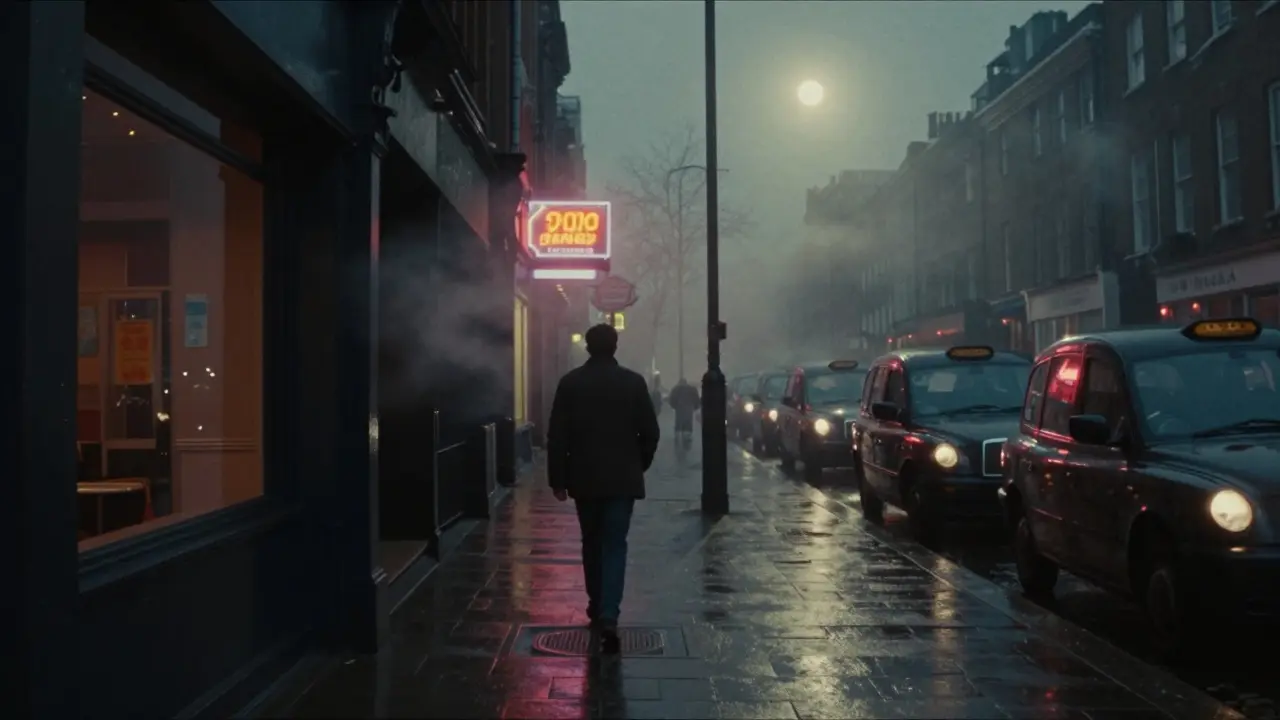
Or just walk. London at 3 AM is empty, cold, and beautiful. The city belongs to you.
Clubbing in London vs. Berlin
| Aspect | London | Berlin |
|---|---|---|
| Entry Cost | £10-£40 (often free with guest list) | €5-€15 (usually under €10) |
| Opening Hours | 10 PM-2 AM (some until 4 AM) | 11 PM-6 AM (many until sunrise) |
| Dress Code | Smart casual-no sportswear | Anything goes-jeans, hoodies, boots |
| Music Focus | Diverse: house, techno, hip-hop, pop remixes | Techno, minimal, experimental |
| Vibe | Glitzy, social, performative | Raw, underground, anonymous |
| Best For | People who want variety and a scene | People who want to disappear into the music |
Frequently Asked Questions
Is it safe to go clubbing in London alone?
Yes-more than in most European cities. London clubs are well-staffed with security and stewards. Most venues have clear exits, emergency buttons, and staff trained in de-escalation. But still, trust your gut. If a place feels off, leave. Don’t be afraid to call a cab or ask a staff member to walk you out. Many clubs offer free early-morning taxi vouchers if you’ve spent over £30 on drinks.
Do I need to book in advance?
For most clubs, no-but it helps. Big venues like KOKO or Printworks often sell out. If you’re going on a Friday or Saturday, book a table or join a guest list. For smaller clubs like The Cross or The Windmill, just show up. They never sell out. The magic is in the spontaneity.
What’s the average age of people in London clubs?
It depends on the club. In Mayfair, you’ll see 30s to 50s. In Shoreditch, it’s mostly 20s. In Peckham and Dalston, it’s mixed-20s to 40s. There’s no one age group. London’s clubs attract everyone who wants to lose themselves in music. You’re never too old or too young if you’re there for the right reason.
Can I take photos inside?
Some clubs allow it at the bar or entrance. But once you’re on the dance floor, it’s a no-go. Flashing your phone breaks the immersion. And trust me-you don’t want to be that person. The best memories aren’t the ones you post. They’re the ones you feel.
Are there clubs that don’t play pop music?
Absolutely. Clubs like The Cross, Printworks, and The Windmill rarely play anything mainstream. If you want pure techno, house, or experimental sounds, these are your spots. Even KOKO’s underground room skips pop entirely. If you’re tired of hearing Ed Sheeran remixes, London has plenty of places that won’t play them.
Final Thought
London’s nightclubs aren’t just places to drink and dance. They’re temples of freedom. Places where you can be whoever you want, for a few hours, without judgment. The music doesn’t care who you are. The lights don’t judge. The crowd just moves.
So next time you’re wondering where to go, skip the tourist traps. Find a club with no sign. Walk in. Let the bass take over. And for once-don’t check your phone. Just be there.




6 Comments
I’ve been to every club on this list and honestly? Printworks is just a glorified warehouse with bad acoustics. The sound system? Overrated. And don’t get me started on the ‘no dress code’ myth-bouncers still gatekeep like it’s a Versace runway. I wore a silk slip and got turned away for ‘looking too casual.’ Meanwhile, Tramp? Now that’s a space. The way the velvet curtains swallow you whole? Pure art. Everyone else is just chasing clout.
/p>Reading this made me miss London so much. I moved to Chicago last year and nothing compares to that moment when the bass hits just right and you realize you’re not alone in the noise. The Cross smells like home to me-old vinyl, sweat, and quiet rebellion. You don’t need to know the DJ’s name to feel them. Just show up. Be quiet. Let it move you. That’s the whole point.
/p>Let’s be real-this entire piece is performative nonsense. ‘The crowd just moves’? No. The crowd is a curated demographic of influencers and trust fund kids. Tramp doesn’t exist for ‘celebrities to disappear’-it exists because the owner’s family owns half of Mayfair. The ‘no photos’ rule? A tool to exclude people who can’t afford £50 entry. And don’t even get me started on the ‘24-Hour Diner’-it’s a greasy spoon with a PR team. This isn’t culture. It’s branding with a bassline.
/p>How can you call this a guide and not mention the rampant drug use? Or the fact that most clubs quietly allow underage kids in if they’re with a ‘VIP’? The safety claims are laughable. I saw a girl pass out at KOKO last month and they just moved her to the corner like trash. And the ‘free taxi vouchers’? Only if you spend over £30 on overpriced vodka. This isn’t freedom. It’s exploitation dressed up as enlightenment.
/p>I came here from Ohio last year with zero clue about clubbing and this post changed my life. I went to The Cross on a Thursday, didn’t know a single person, and ended up dancing with a 68-year-old jazz musician from Jamaica. No one cared what I wore. No one cared where I was from. The music didn’t ask for my resume. That’s the magic. You don’t need to be cool. You just need to be there. Thank you for reminding me why I love cities.
/p>They’re watching you through the lights. The strobes aren’t choreographed-they’re synced to facial recognition. Printworks is a MI6 testing ground. The ‘secret locations’? GPS trackers in the wristbands. And that ‘24-Hour Diner’? It’s a front. They feed you something in the bacon cheeseburger and next thing you know you’re posting about ‘freedom’ on Instagram. You think you’re choosing the club. The club is choosing you. And they’ve been planning this since 2019.
/p>